post by Bogna Liziniewicz (2023 cohort)
I have landed, I text my supervision team on Slack, hoping none of them will see it before Monday. It’s Saturday evening in Zurich, Switzerland and between wondering whether I remember just enough German to get by, and hoping my suitcase made it from London alongside me, I gratefully welcome the hot, humid air that probably shouldn’t feel this summery at the start of May.
It is the second international exchange in my university journey. The first one, many years back, took me to the Catalan coast. I find it quite amusing how Basel; Barcelona; and my name all start with a B. Eight hours into my trip, I allow myself one (1) corny remark.
I have put it upon myself, after all. Accustomed to moving countries, I wanted to spend some time abroad during my PhD as well. A creature of habit, one might say – mine being frequent side quests. Ironic, isn’t it, that though unrelated, they seem to fall into place every time.
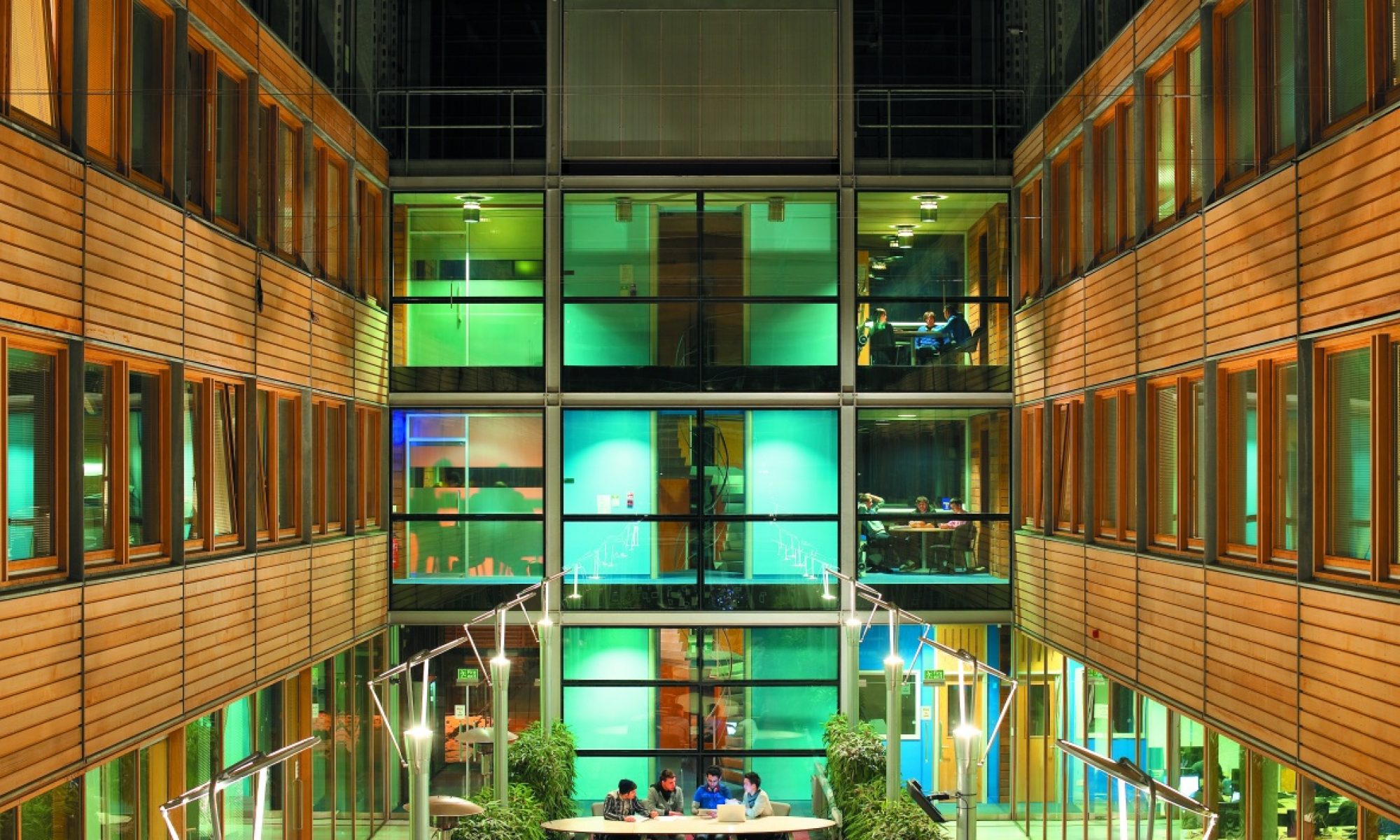
I have always been interdisciplinary. Hanging somewhere between the Humanities and the Sciences, I’ve never particularly fitted into one or the other. University of Basel’s Digital Humanities Lab is where I have found a home away from home (the N/LAB).
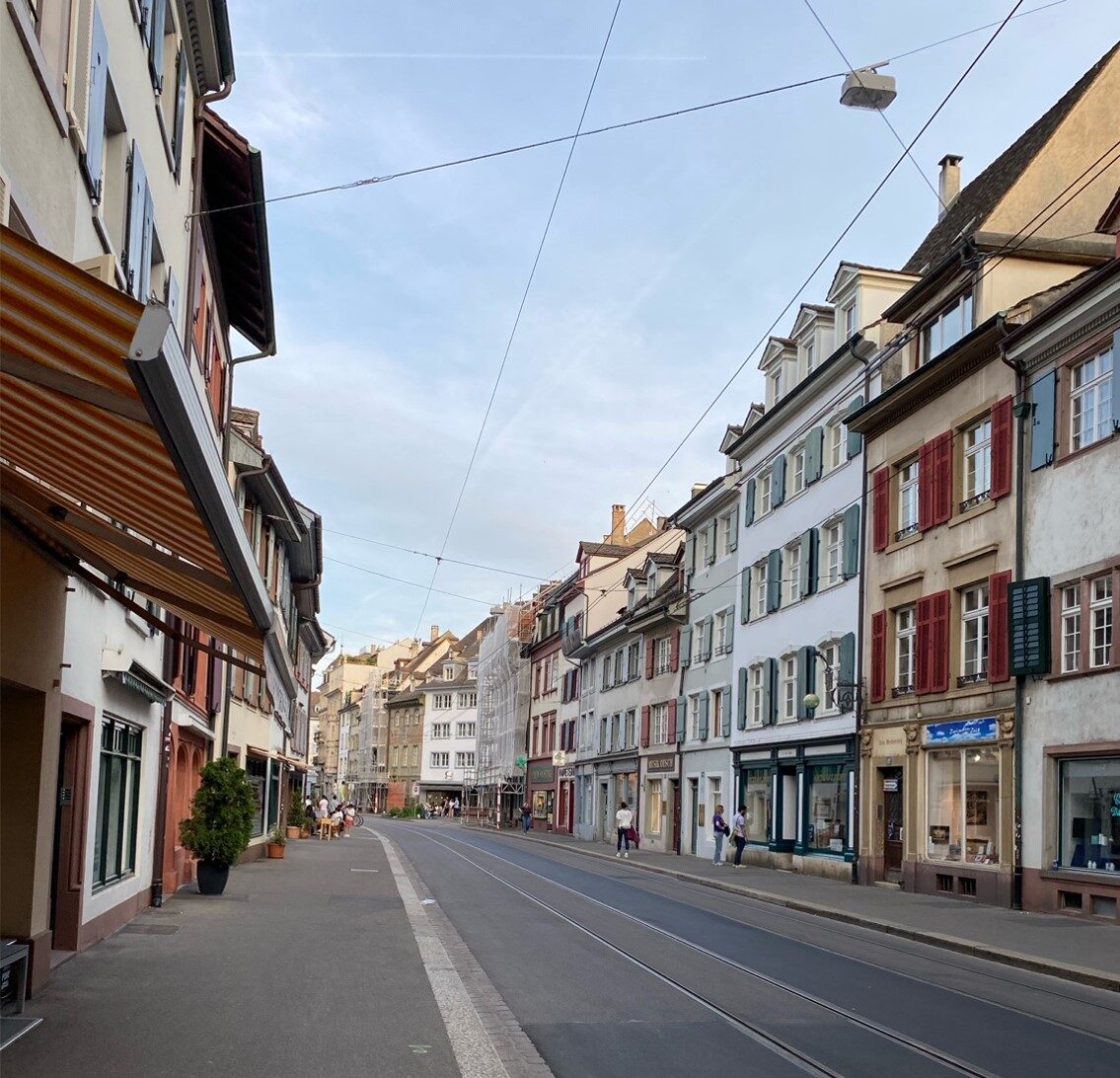
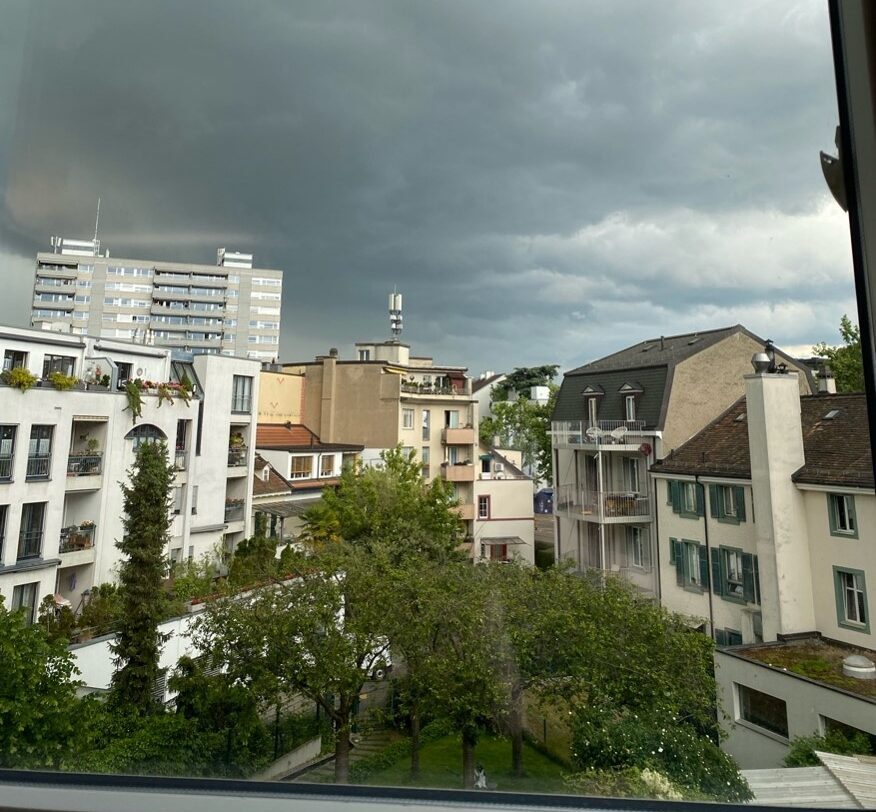
My office desk sits right by the window which overlooks an inner courtyard situated between old multi-storeys, most of them residential. It is the architecture that stands out first. It fits somewhere between what I know from home, over there in Central Europe; and is almost like the buildings down the south of it. There is an intersection not far from the office that made me pause and take a picture the first time I passed by because, two (maybe three) hours away from the border, it resembles faithfully my memories of a childhood road trip to Italy. It is also near there where heartfelt post-lab talk conversations happen in a café round the corner.
I am here for knowledge exchange purposes. Run by Prof. Rosa Lavelle-Hill, the Digital Humanities Lab hosts researchers whose methodology falls closely in line with my own. As a psychologist by degree and a data scientist by craft, I, too, ask questions about the human and the social, as it becomes quantified, computed, and modelled for interpretation. Through interdepartmental seminars, inaugural lectures, workshops, and informal talks, I see similarities between my own approach and that of other researchers. There, too, I find my perspective shifting, prompted by questions coming from experts in different fields. It is so easy to end up trapped in a dead end otherwise.
And alongside the exciting aspects, navigating film-like academic buildings and coming to realise you can feed yourself for around ten quid per meal in a university canteen; there come the mundane elements of PhD work.
May is one of the busier, if not the busiest of all months so far. On a regular basis, I find myself coming into the office around nine or ten (hotel breakfast times seem to have briefly forced me into an early morning schedule. I have also found out that I am capable of living off a rotation of cheese, sausages, and cereal for an entire month) and leaving close to seven in the evening. I have not worked on weekends since the summer of 2023. There are now songs that, if played for as briefly as three seconds, take me back to Basel in the blink of an eye. The opening riff of Malice Mizer’s Le Ciel, for one, only recently stopped bringing the smell of the university library to my mind because I had it on repeat as I was writing up my progression review report.
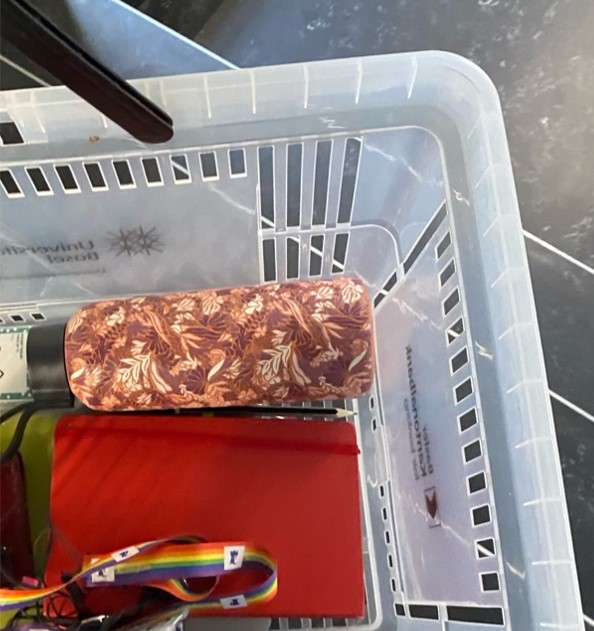
It becomes a routine, of sorts. Office on weekdays; library on weekends. There is a nuclear shelter in one of the downstairs rooms of the latter. I only find this out because I catch a glimpse of a really thick door on my way out of the locker room, laptop and a water bottle tossed into a plastic basket, backpack stored away in a plywood box that – I hope – only opens if I place my university card against it.
It is the exam season and so, the library is packed. I find a less crowded area hidden in a maze of stairs leading up and down, some of them spiral. This is where I keep coming until a handwritten note that reads something along the lines of kein Strom, only more elaborative, sends me into the reading room and makes me realise that I remember much more German than I have accounted for. I need power to plug my laptop in, after all.
And so, the report gets written. Alongside it, a conference paper summing up the outcomes of my first PhD study forms, a collaboration that benefits from the expertise of Prof. Lavelle-Hill. In two months’ time, it will be accepted for a workshop presentation at one of the leading machine learning conferences in Europe. But I don’t know it yet. And so, I sit there, in the reading room, with songs from around thirty years ago playing on repeat in my headphones; and I try not to get distracted by the grey walls of the library, not to give in to my love of concrete buildings.
My camera roll is filled with photos of locker numbers, so I don’t forget which one I left my backpack in.
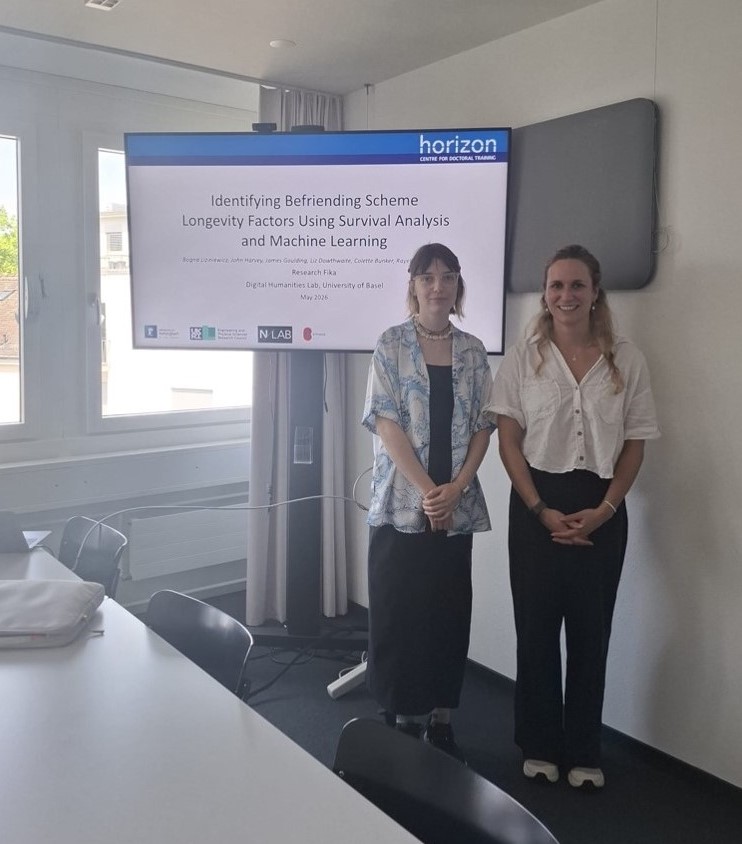
Then comes my lab talk. It is strawberry season and so a bowl of fruit lands on the table in the meeting room, surrounded by other sweet treats. Research fika, they call it here at the Uni of Basel. As I walk the audience through the methods and results of my recent study, with a piece of the Basler Läckerli in my hand, I decide it is the ultimate way in which to hold lab meetings.
Food itself becomes an important element of my international exchange. In the most unexpected ways, it is the way I connect with people throughout the month – a canteen conversation with a fellow PhD researcher; little snacks during lab talks; a heart-warming welcome with a pack of local Basler biscuits. I end up chit-chatting with the owner of the takeout down the street from where I’m staying, all because I order in English and so, they get curious as to where I come from. As we talk about the acceptable sauce spice levels and my purpose of being here, in Switzerland, they top up my portion with other random foods – just to try. A month later, when I show up again, they recognise me and ask how my studies are going; if I’m staying for much longer.
The guy in a funky food court speaks a little Polish to me when I speak a little Spanish to them, having overheard it because my German slips away the longer it remains out of use. A research conversation sparks up when I’m caught adding leftover doner kebab meat to a portion of instant noodles, which is an idea as concerning as it is ingenious. I am determined to repeat the experiment in the near future. Now and then, I send my friends photos of bizarre supermarket finds. Meat gnocchi remains the most surprising one. And Griess Töpfli in a little pot becomes my favourite take on semolina pudding. It might be because I have grown up with a version of it being served hot, cooked with milk for breakfast.
Sweets, too, take the better of me, even if normally I’m not much of a fan. Cakes, biscuits, little tartlets – there is a particular way of baking them that I seem to be lured in by. Not too sweet, they might become the reason for my next trip to Switzerland.
I leave the tourist experience proper until the final day in Basel, so that I have something to look forward to, to distract myself from knowing this is where it ends; that the following morning, I will again take the 30 bus to the SBB train station; drag my suitcase up the three steps of the replacement train and set off for Zurich to fly back to the UK.
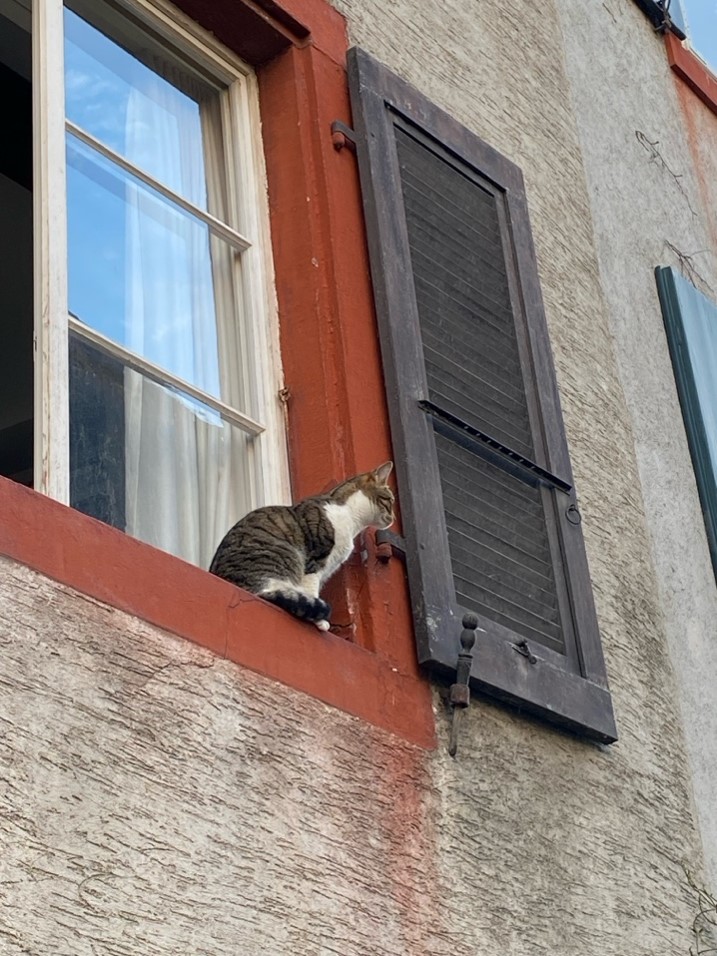
And yet, my step counter betrays me. A dozen kilometres become the daily average; I have seen most of the city just by walking through it. I have crossed four of the five bridges – have seen all of them. Bored out of my mind on day one, having woken up at half six after passing out at ten in the evening, nine hours en route to blame; I strolled my way to France. A couple of weeks later, I made a cat friend in the historic Basler Old Town.
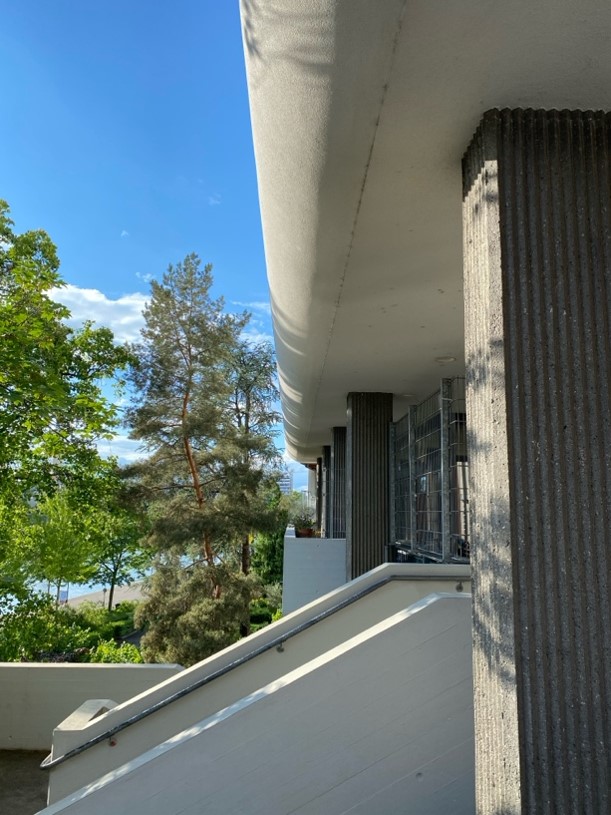 | 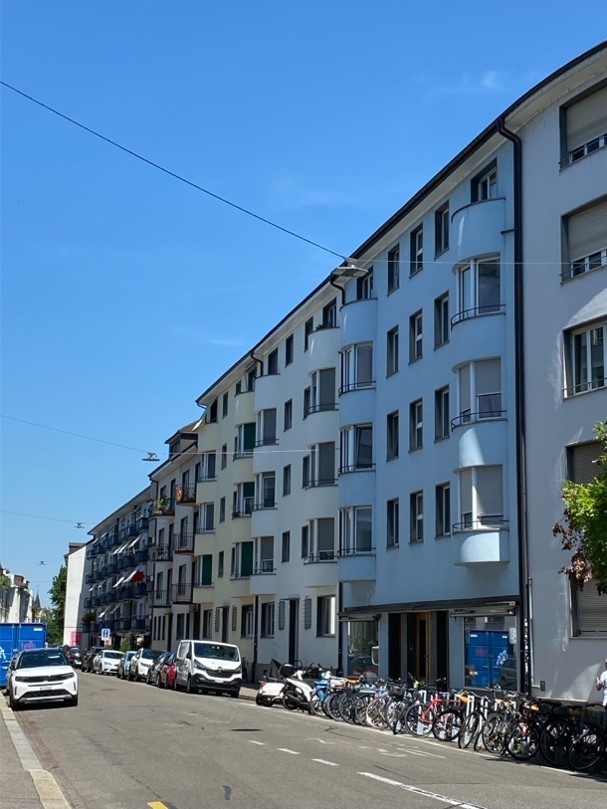 |
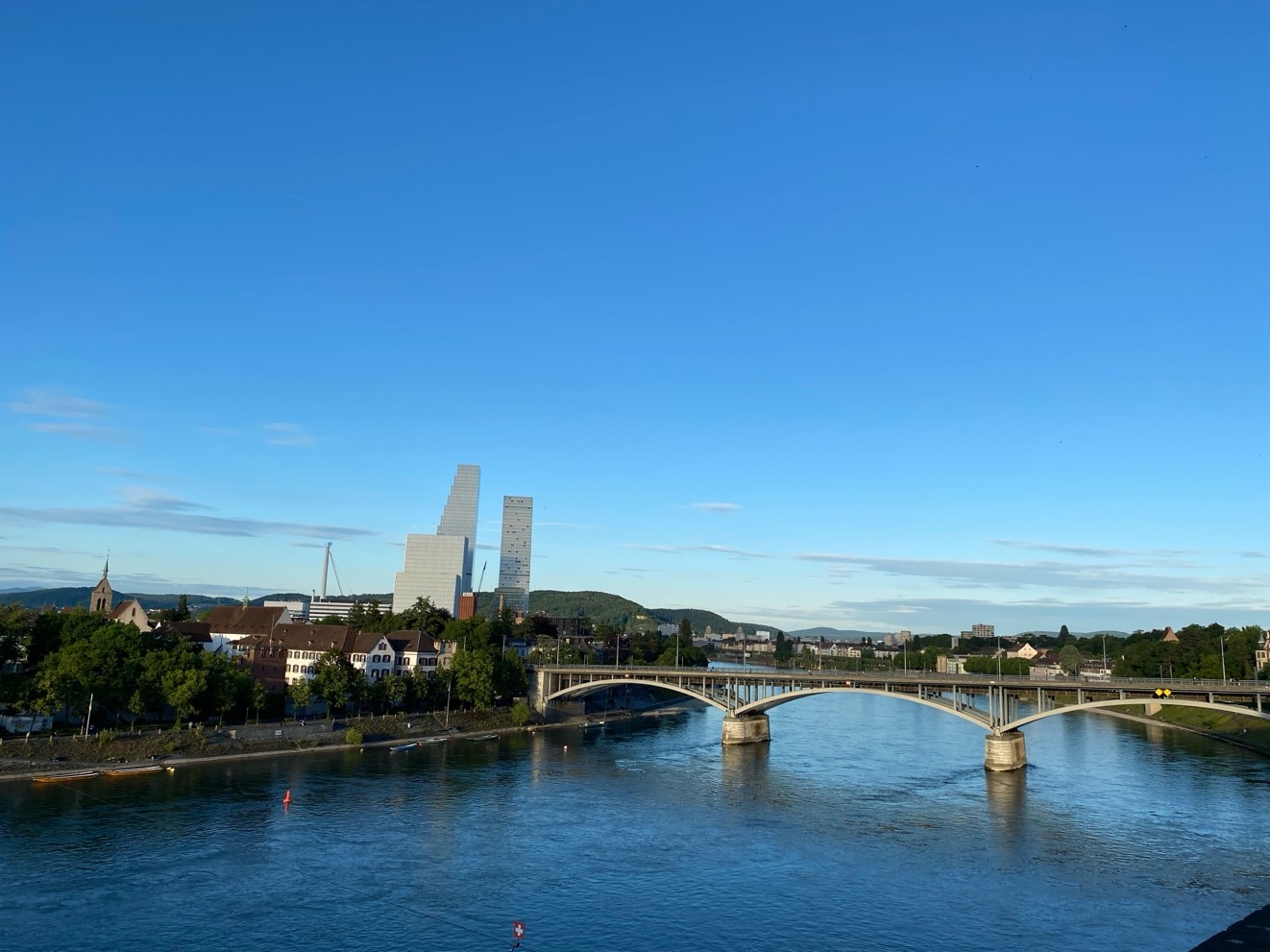
Views of Basel
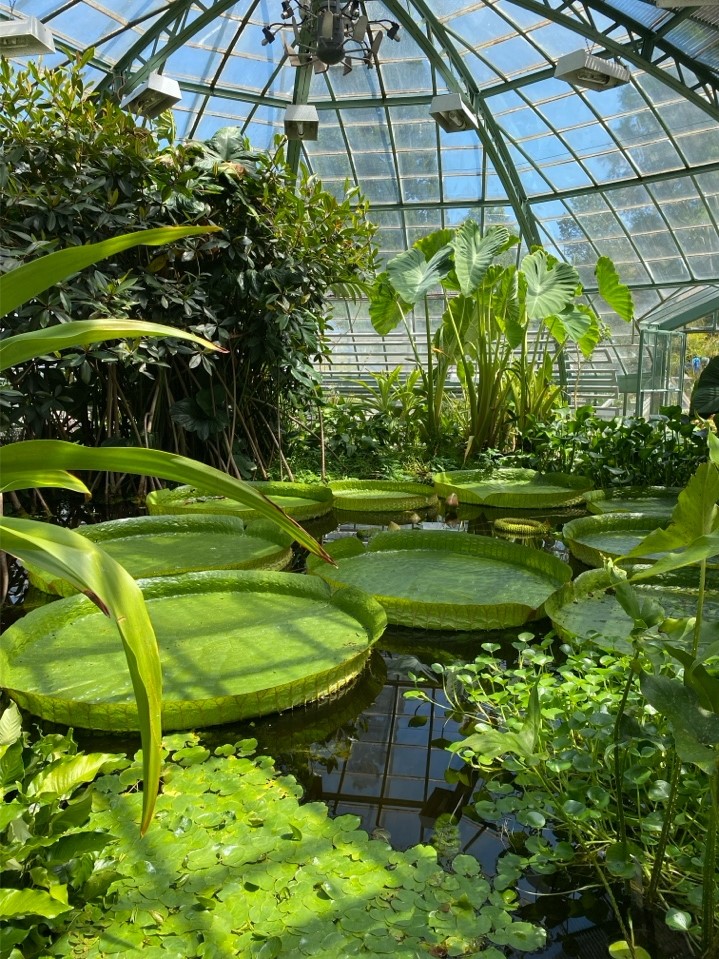
So, it is just the University’s botanic garden and tourist shopping left for my final full day in Basel. I spend probably an hour and a half wandering between all the plants, outdoors and in greenhouses. In the latter, I even find myself temporarily lost – I suppose I would not be myself if things like that didn’t happen. Then I buy chocolate and sweets for my friends. I even find a lovely vintage dolphin figurine. Only when I land and unwrap the layers of newspaper protecting it from breaking apart in my suitcase, do I find out it was made in the UK.
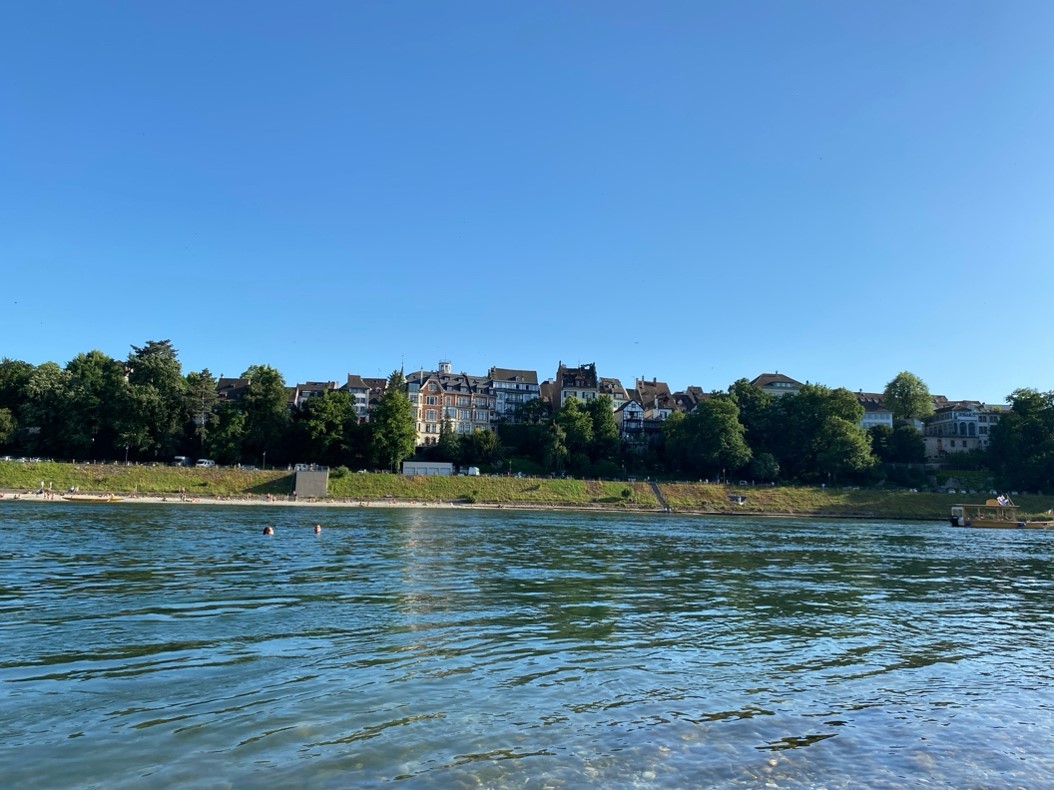
The evening is spent by the Rhine. I have been waiting all month for this, saving the special experience for the final day. It is a hot one, so much that the temperature is still pushing thirty degrees around six in the evening. The river’s transparent blue water tempts me to come down and sit by its side – so I do. I slide my way down a concrete slope of the embankment, only to discover there are stairs twenty yards away. Yet still, I comfort myself with the thought that I have seen multiple people do the same thing.
And then sit by the riverside, I do, somewhat immersed in the water which forms waves whenever a ferry passes. Now and then, swimmers with the Wickelfisch bags float with the current. As I lay down, handbag for a pillow, and close my eyes, only the scent of the river and snippets of people’s conversations remain.
Twenty-four hours later, I find myself sitting on the train from London St. Pancras to Nottingham.