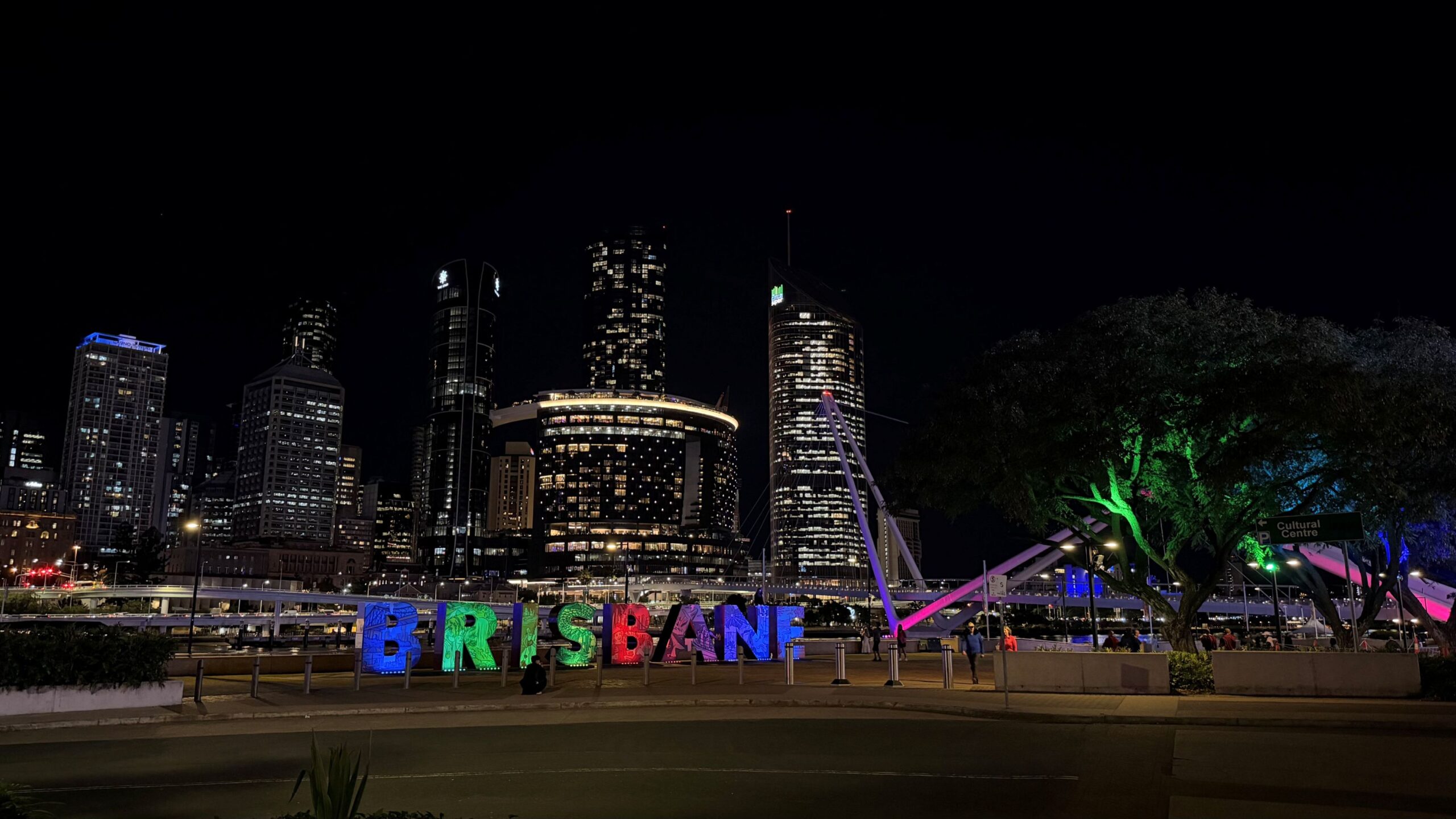
After having re-read the humorous, and thoughtful exchange reflections of my CDT cohort peers for inspiration, I sit down, reminiscing, at my favourite cafe in Notts (Public, highly recommend!) on a Friday, nearly a month after my return from Australia. A line that caught my eye from my dear friend Lucy’s reflection post that I wholeheartedly agree with was, “the value of immersion”.
My one-month visit to the Land Down Under is a trip that I will cherish for life. A thought that I kept coming back to throughout my visit was, ‘the idea of normal’. Having been raised, lived, worked and travelled a fair bit, across different cultures, I believe every city and country has the potential to unlock a slightly different version of you, if you let it. A version of you that remains hidden, until you have an opportunity to step far outside your comfort zone, immerse yourself in another culture and challenge the idea of ‘your normal’. An opportunity that was provided to me by this exchange.
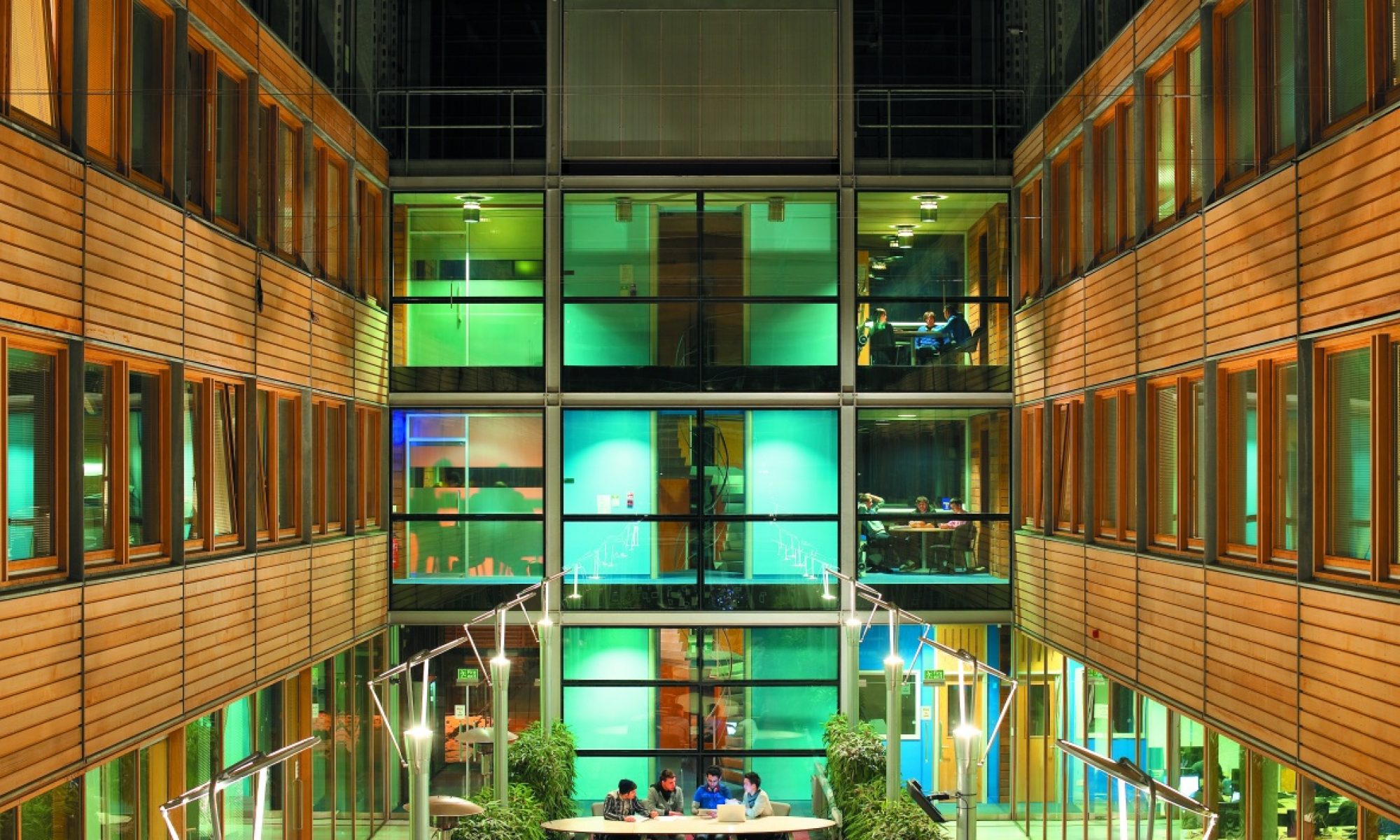
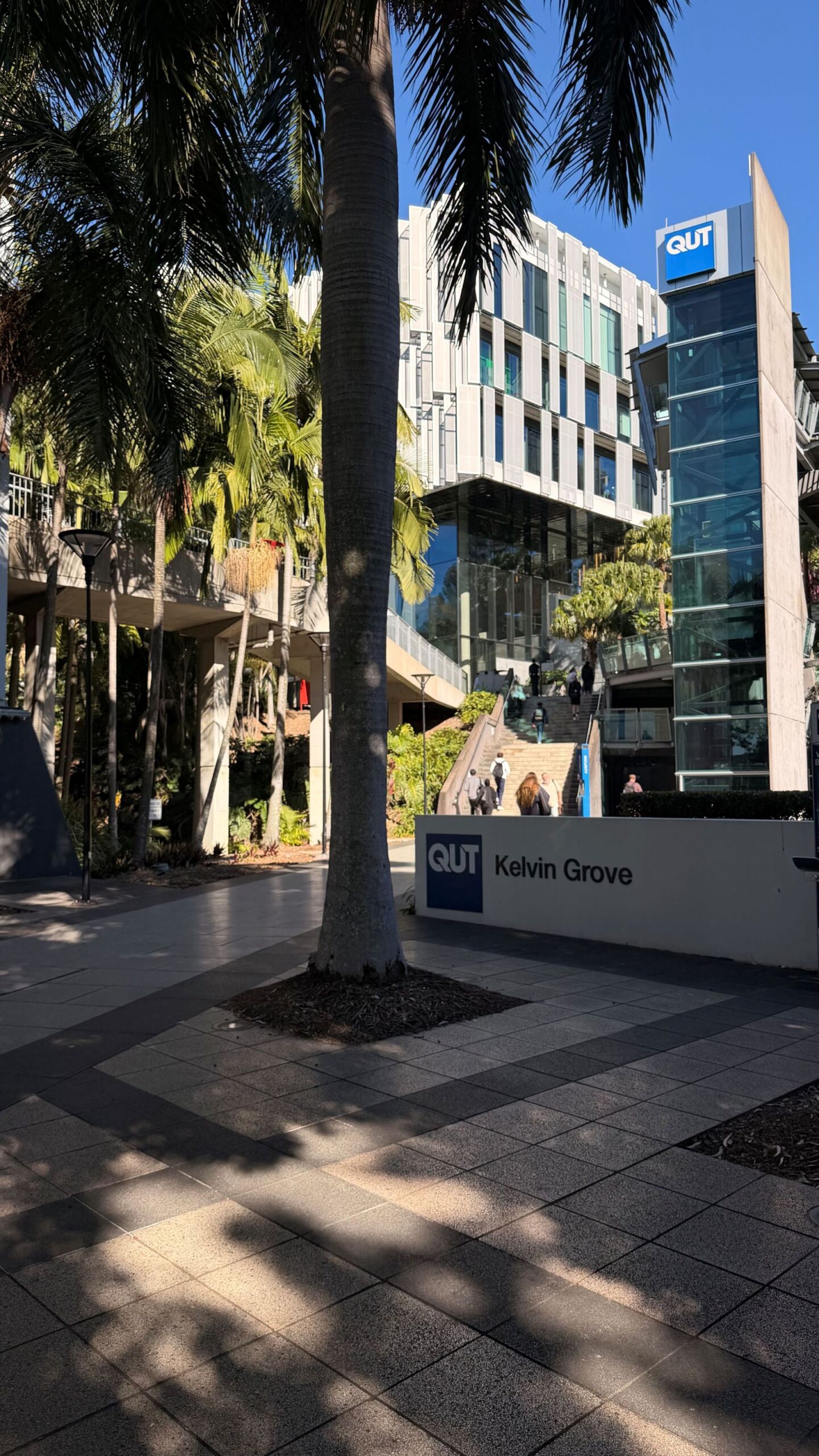
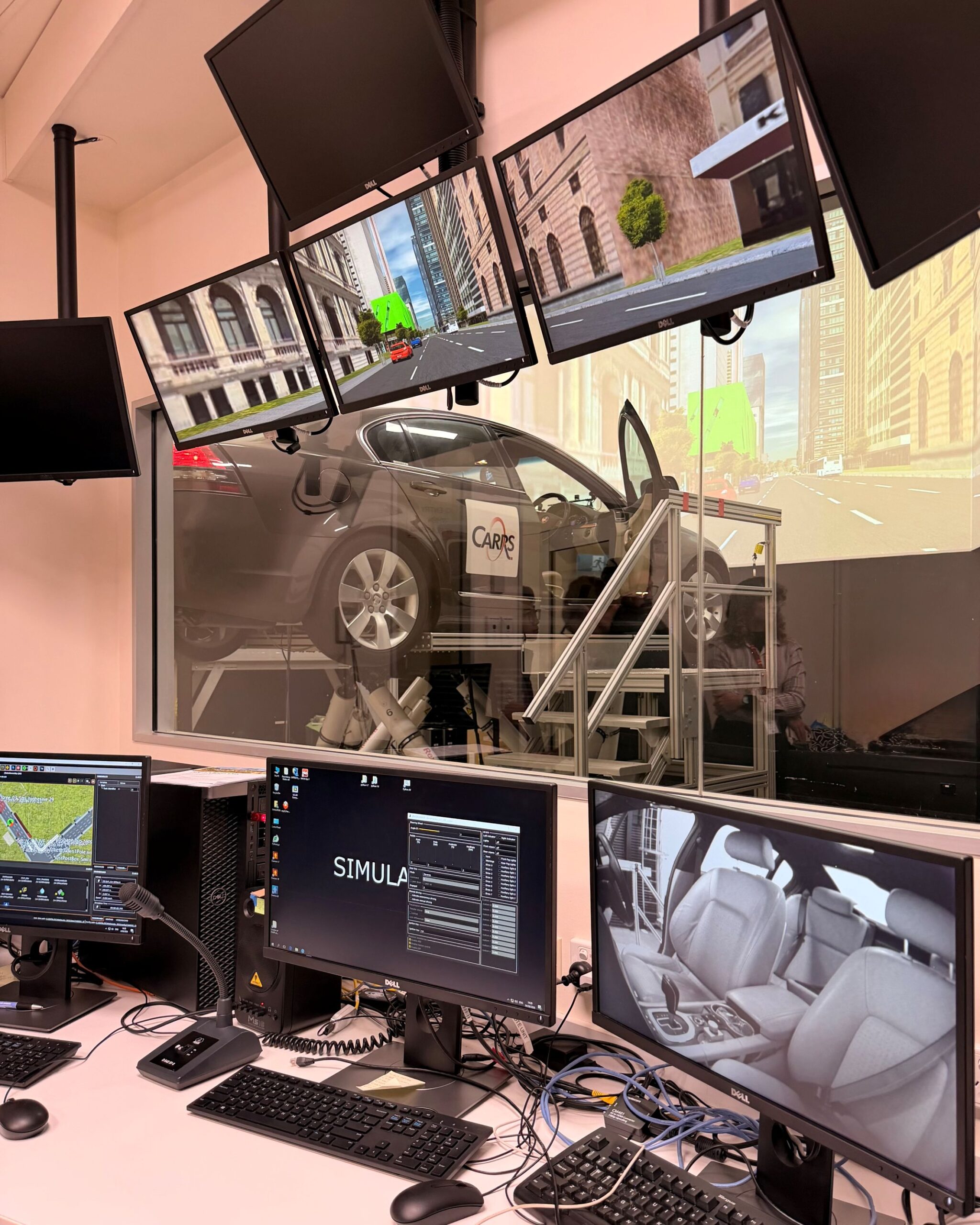
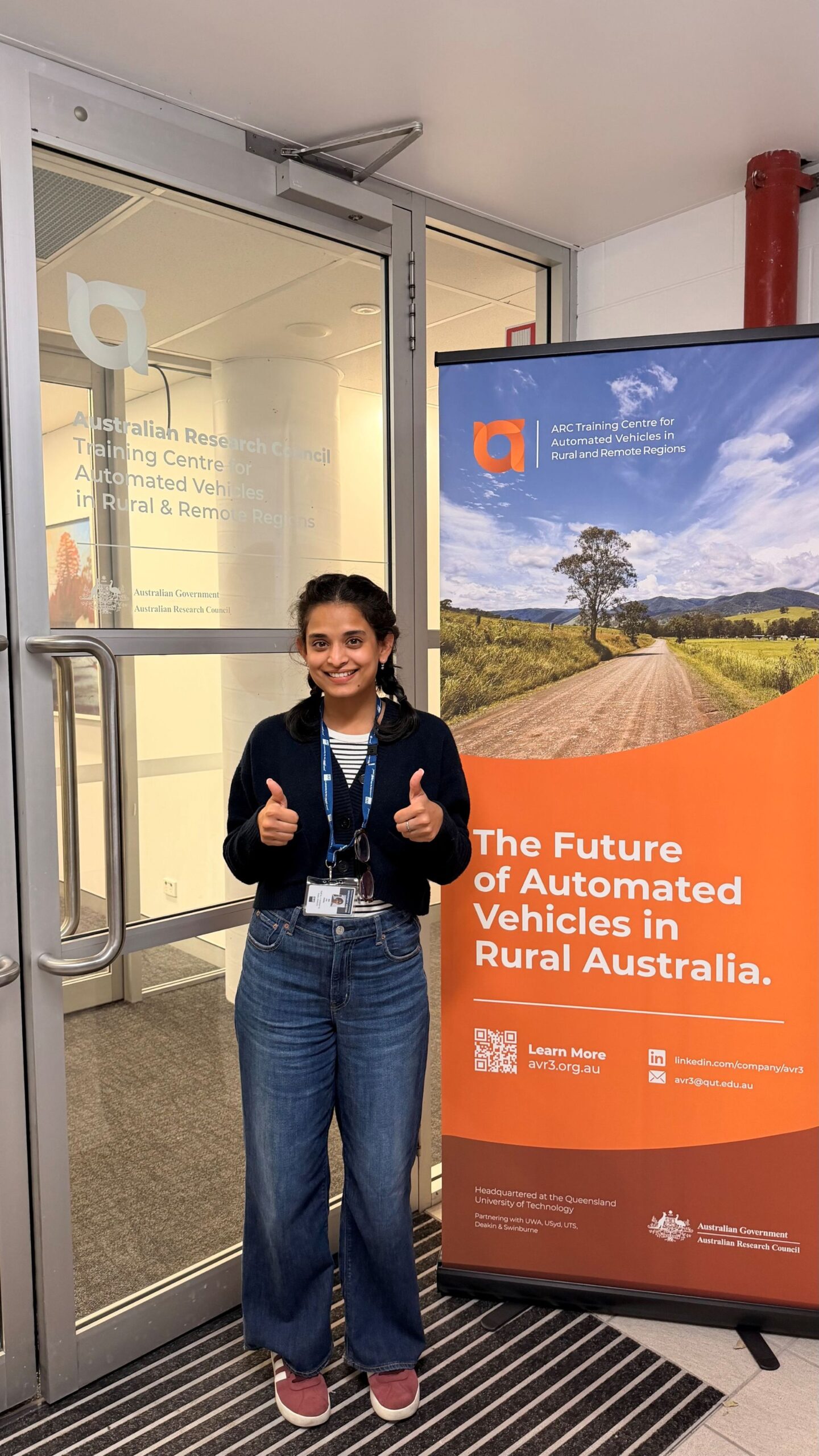
The lab I’d chosen for my exchange was one that was at the forefront of research in all things Automotive Human Factors, HMIs, and most importantly Driver Monitoring Systems (DMS), the focus of my PhD. The AVR3 (Automated Vehicles in Rural and Remote Regions) research centre, is part of CARRS-Q (Centre for Accident Research and Road Safety – Queensland) at the Queensland University of Technology, Brisbane, Australia. The modern university buildings were nestled in a tropical campus environment, with flora and weather that reminded me an awful lot of the one back home in Kerala, India.
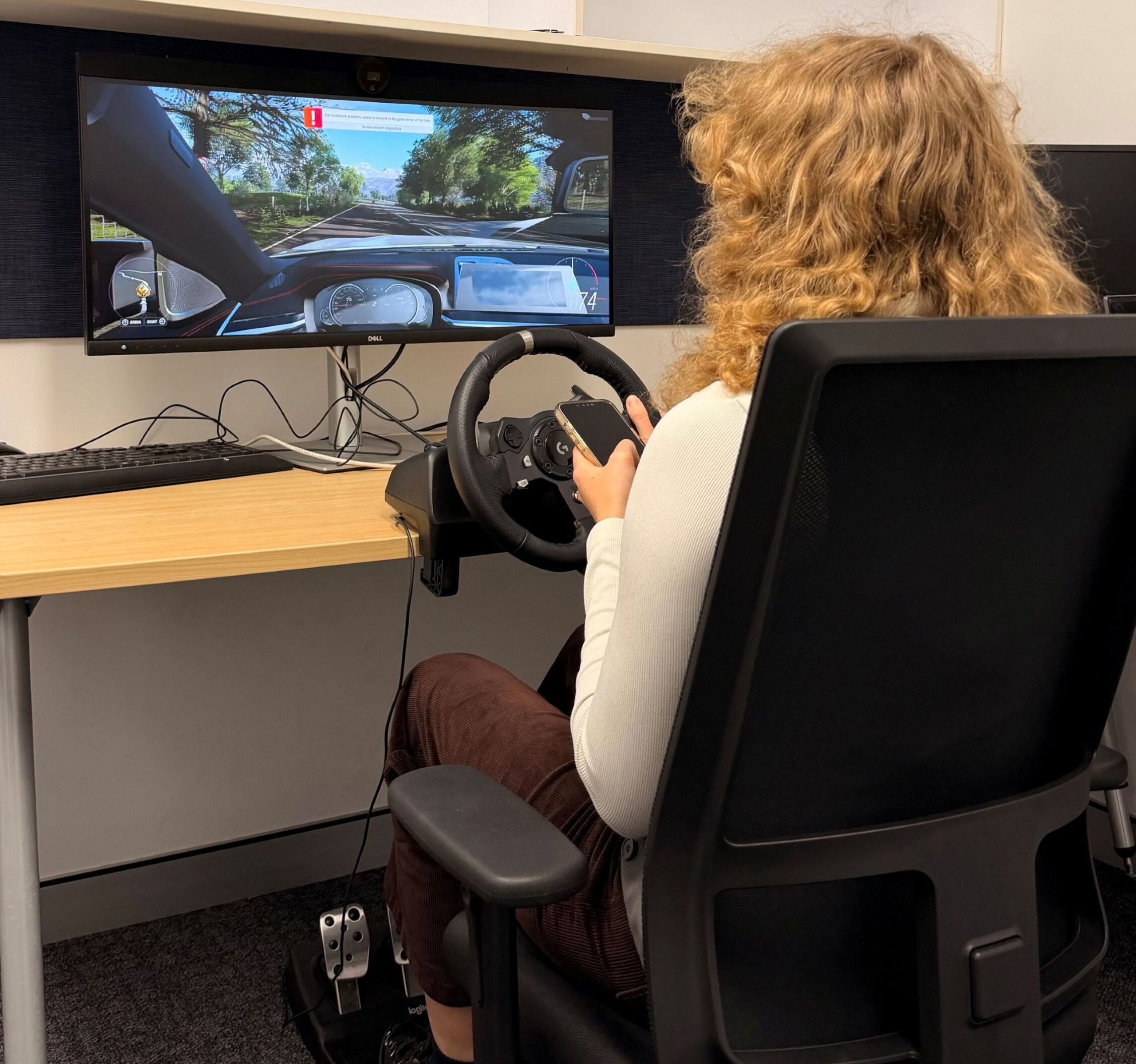
Once my body had battled the ten-hour time difference, I found myself getting used to the routine of catching the bus every day to the lab. I appreciated being warmly greeted by the big group of PhD students and postdocs at the lab, where coming in to work almost everyday, was quite normal. Without fully admitting it to myself, I had quietly hoped that this exchange would give me the ideas I knew I needed for my PhD’s final study design. Given that the lab’s niche focus was quite aligned to mine, every discussion managed to spark ideas for my own research. I began recognising the value of a research-intensive lab culture that worked so closely with application in the industry. The Monday morning lab meetings felt like the weekly stand-up meetings I used to experience while working in the industry. It included everyone giving their work updates, and collaboratively finding solutions to the research blockers experienced by each person. I realised that in this lab, a lot of your research doubts could get quick solutions by simply talking to the PhD peers sitting right next to you, whether that was regarding your data collection, method of analysis, or in my case, testing out the study design. A casual conversation with the friend (and PhD student) who supported me the most during my time there, turned into, “Let’s test whether your study design might actually work!”. Within an hour, I was already generating insights into my final study’s design using a low fidelity driving (gaming) set-up! The following week, I continued to tweak and test the study design with four more PhD students, exploring what may or may not work, getting expert feedback from them on what might need changing. Being able to test my half-baked ideas so quickly gave me an incredible amount of clarity into what needs to go into the final PhD study, without wasting valuable time, which is entirely thanks to this exchange.
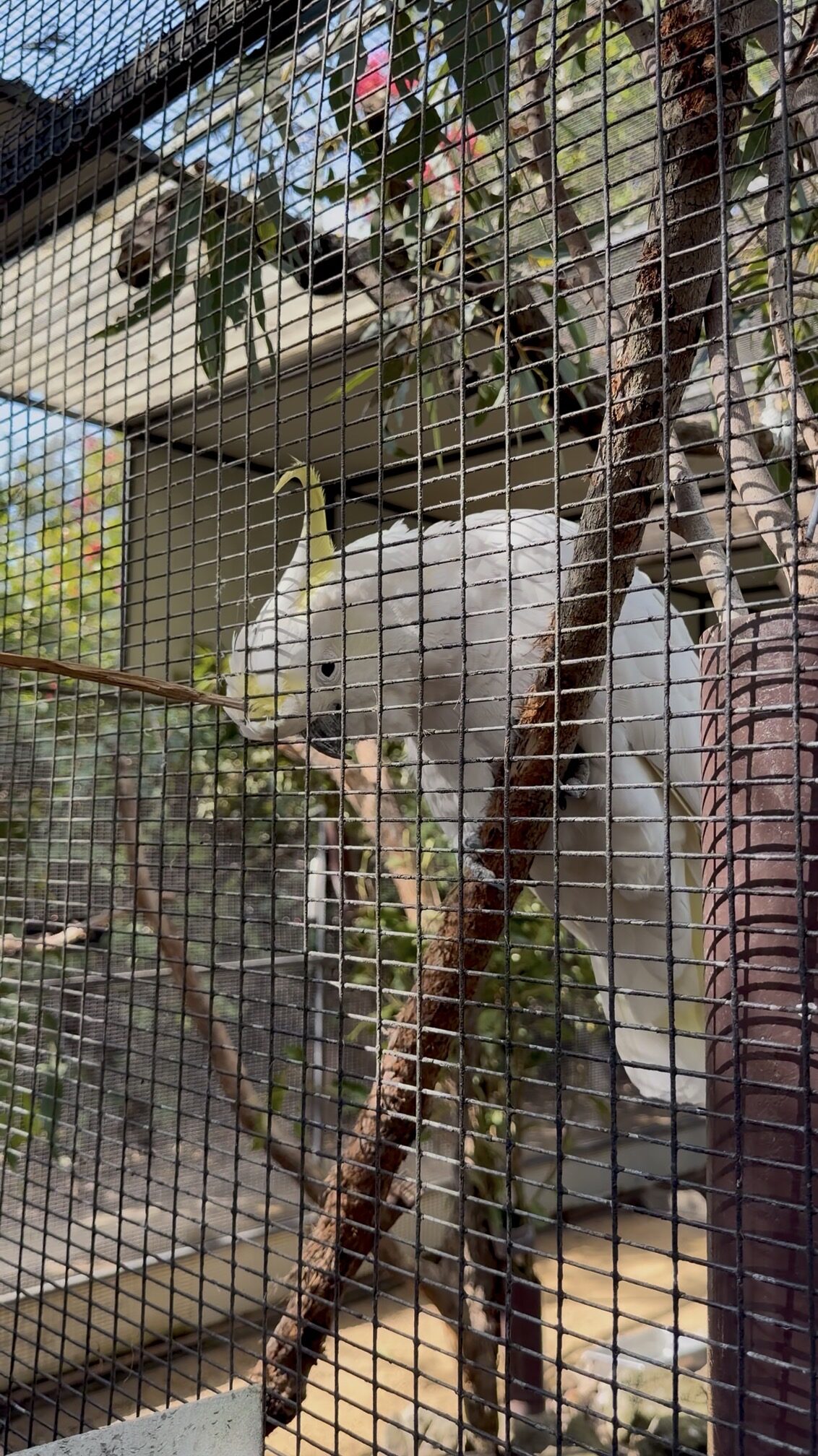
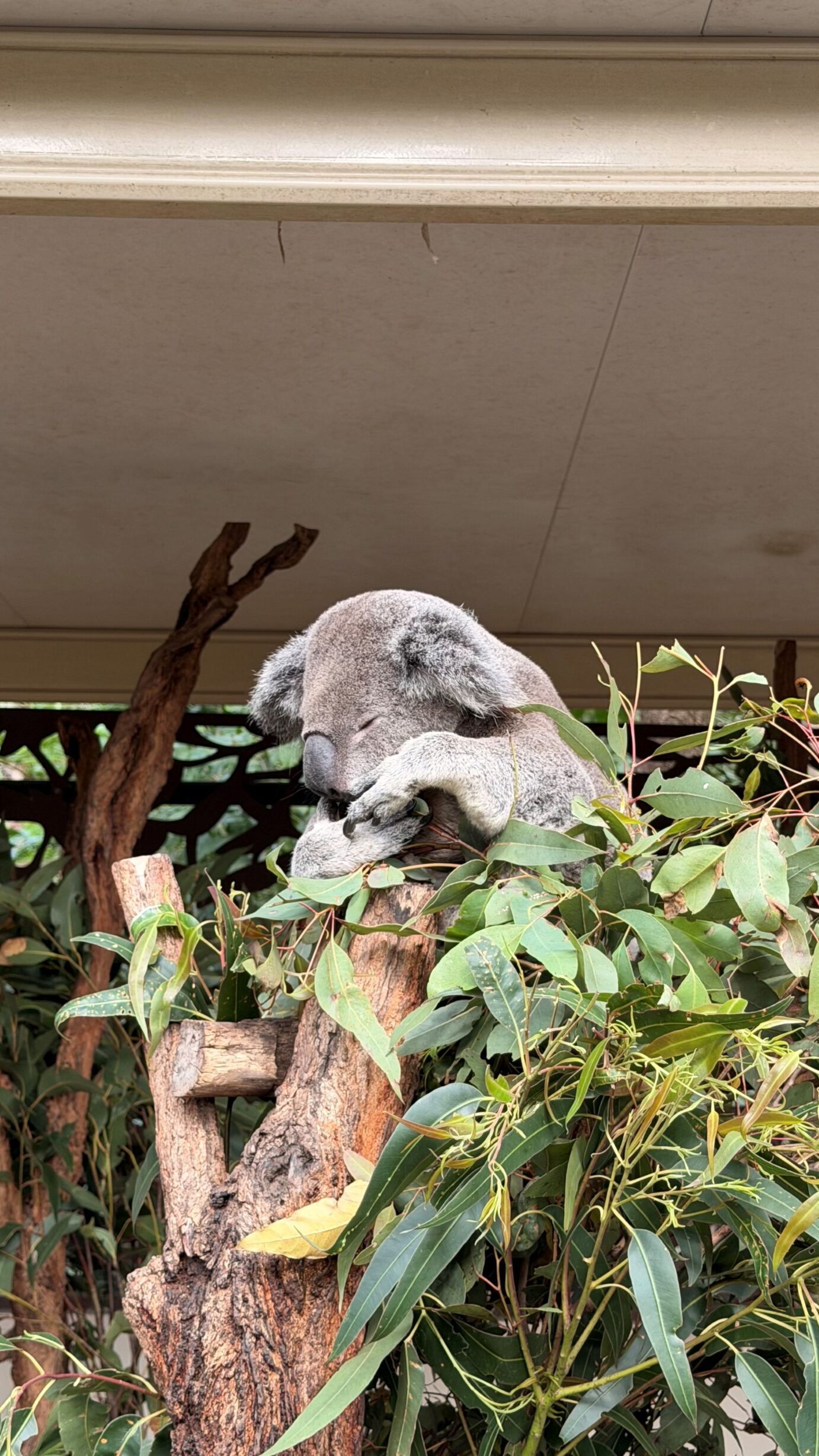
Over the course of my time there, I learned that flat whites were invented in Australia, fondly referred to as a ‘flatty’. Much to my surprise, a cockatoo was sometimes considered a pest by the locals..but look how cute they are! As someone who relies on public transport a lot, train prices in Brisbane and the state of Queensland, blew my mind. You could catch trains, however long, for just 0.50 AUD (~£0.26). I caught a four hour train (to and fro) for less than £1! A weekend by turquoise waters at the Gold Coast, 2 hours from Brisbane, had the aquaphile in me, tell myself that, in another life, I would settle down here. Soon enough, I had managed to learn the five different, yet equally confusing ways to get to the lab. But by then, it was already time to leave the wonderful place that I’d made home for the three weeks.
I’m grateful for yet another experience that humbled me into thinking, ‘what you consider normal, is in fact, what you’re familiar with’. As for my final study design, I will hopefully, soon find out whether it will actually work here.
I have landed, I text my supervision team on Slack, hoping none of them will see it before Monday. It’s Saturday evening in Zurich, Switzerland and between wondering whether I remember just enough German to get by, and hoping my suitcase made it from London alongside me, I gratefully welcome the hot, humid air that probably shouldn’t feel this summery at the start of May.
It is the second international exchange in my university journey. The first one, many years back, took me to the Catalan coast. I find it quite amusing how Basel; Barcelona; and my name all start with a B. Eight hours into my trip, I allow myself one (1) corny remark.
I have put it upon myself, after all. Accustomed to moving countries, I wanted to spend some time abroad during my PhD as well. A creature of habit, one might say – mine being frequent side quests. Ironic, isn’t it, that though unrelated, they seem to fall into place every time.
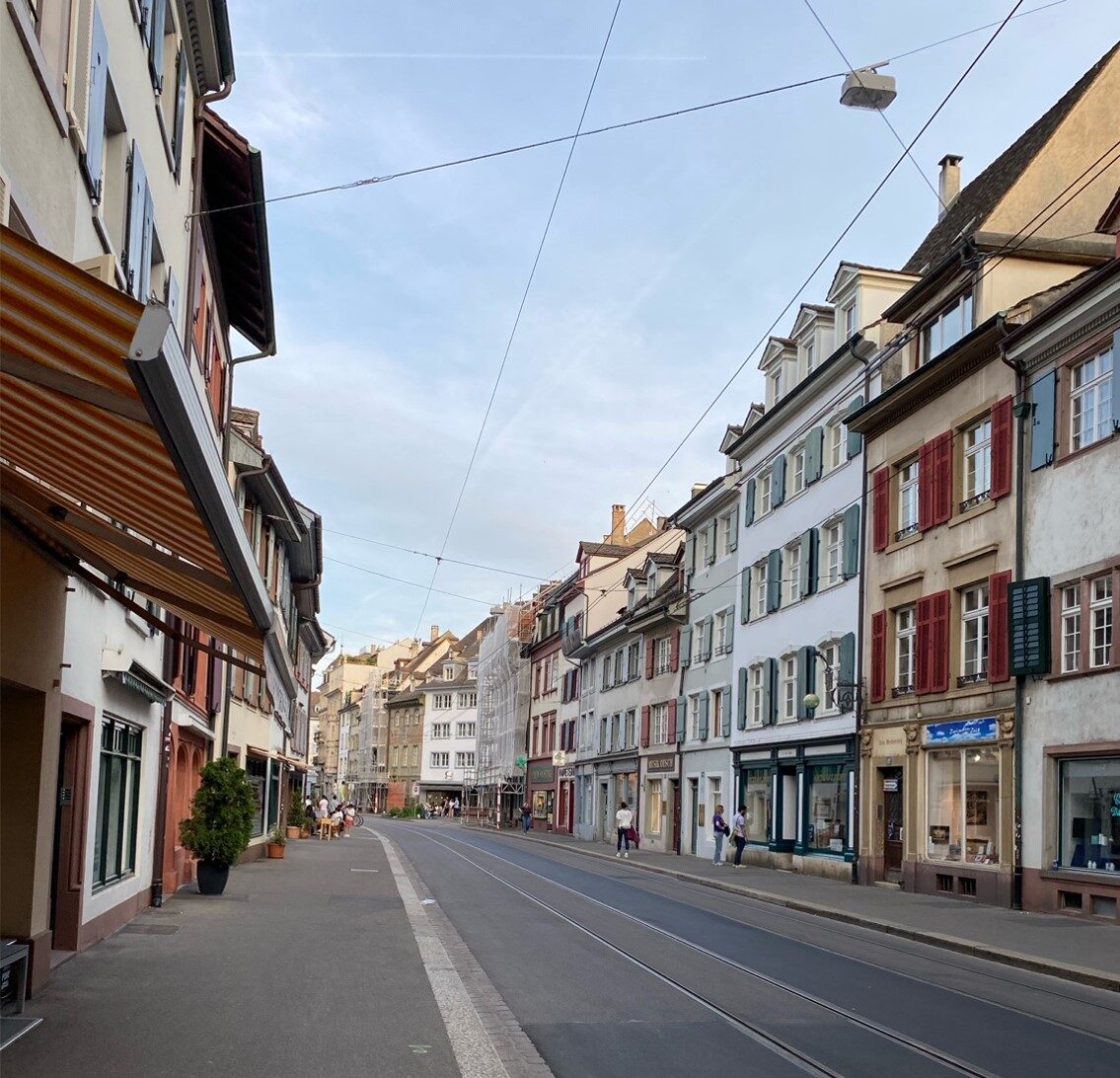
Basel Old Town
I have always been interdisciplinary. Hanging somewhere between the Humanities and the Sciences, I’ve never particularly fitted into one or the other. University of Basel’s Digital Humanities Lab is where I have found a home away from home (the N/LAB).
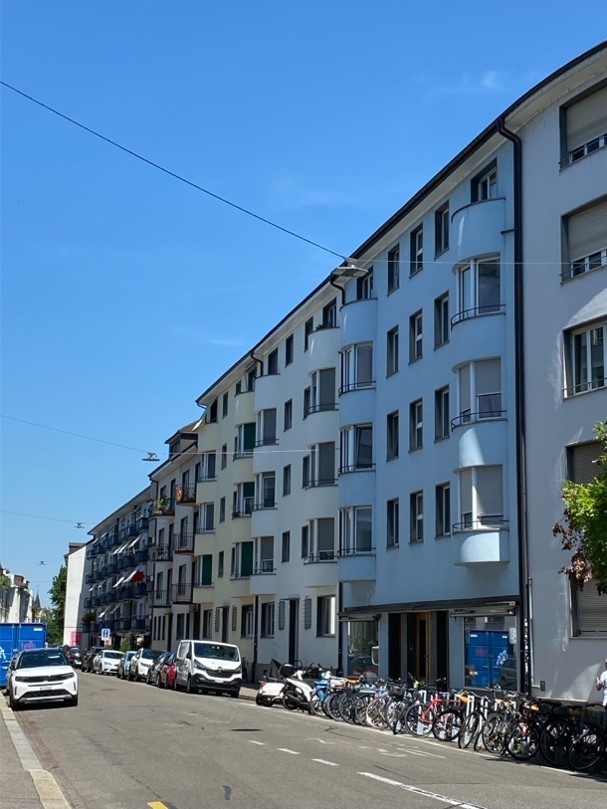
My office desk sits right by the window which overlooks an inner courtyard situated between old multi-storeys, most of them residential. It is the architecture that stands out first. It fits somewhere between what I know from home, over there in Central Europe; and is almost like the buildings down the south of it. There is an intersection not far from the office that made me pause and take a picture the first time I passed by because, two (maybe three) hours away from the border, it resembles faithfully my memories of a childhood road trip to Italy. It is also near there where heartfelt post-lab talk conversations happen in a café round the corner.
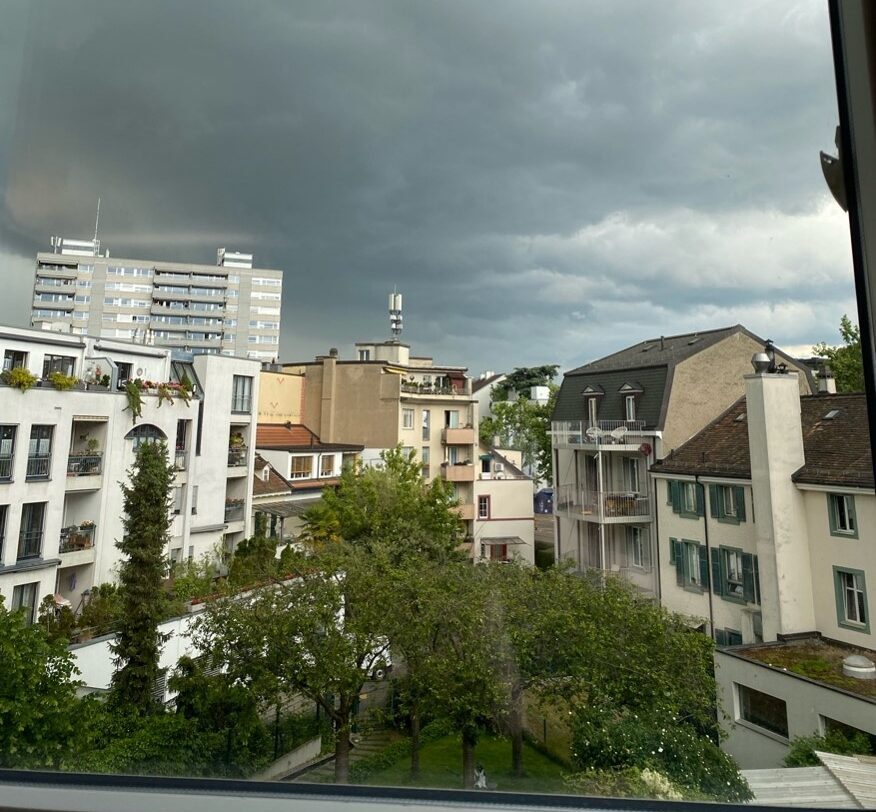
Silence before the storm, as seen from my office window.
I am here for knowledge exchange purposes. Run by Prof. Rosa Lavelle-Hill, the Digital Humanities Lab hosts researchers whose methodology falls closely in line with my own. As a psychologist by degree and a data scientist by craft, I, too, ask questions about the human and the social, as it becomes quantified, computed, and modelled for interpretation. Through interdepartmental seminars, inaugural lectures, workshops, and informal talks, I see similarities between my own approach and that of other researchers. There, too, I find my perspective shifting, prompted by questions coming from experts in different fields. It is so easy to end up trapped in a dead end otherwise.
And alongside the exciting aspects, navigating film-like academic buildings and coming to realise you can feed yourself for around ten quid per meal in a university canteen; there come the mundane elements of PhD work.
May is one of the busier, if not the busiest of all months so far. On a regular basis, I find myself coming into the office around nine or ten (hotel breakfast times seem to have briefly forced me into an early morning schedule. I have also found out that I am capable of living off a rotation of cheese, sausages, and cereal for an entire month) and leaving close to seven in the evening. I have not worked on weekends since the summer of 2023. There are now songs that, if played for as briefly as three seconds, take me back to Basel in the blink of an eye. The opening riff of Malice Mizer’s Le Ciel, for one, only recently stopped bringing the smell of the university library to my mind because I had it on repeat as I was writing up my progression review report.
It becomes a routine, of sorts. Office on weekdays; library on weekends. There is a nuclear shelter in one of the downstairs rooms of the latter. I only find this out because I catch a glimpse of a really thick door on my way out of the locker room, laptop and a water bottle tossed into a plastic basket, backpack stored away in a plywood box that – I hope – only opens if I place my university card against it.
It is the exam season and so, the library is packed. I find a less crowded area hidden in a maze of stairs leading up and down, some of them spiral. This is where I keep coming until a handwritten note that reads something along the lines of kein Strom, only more elaborative, sends me into the reading room and makes me realise that I remember much more German than I have accounted for. I need power to plug my laptop in, after all.
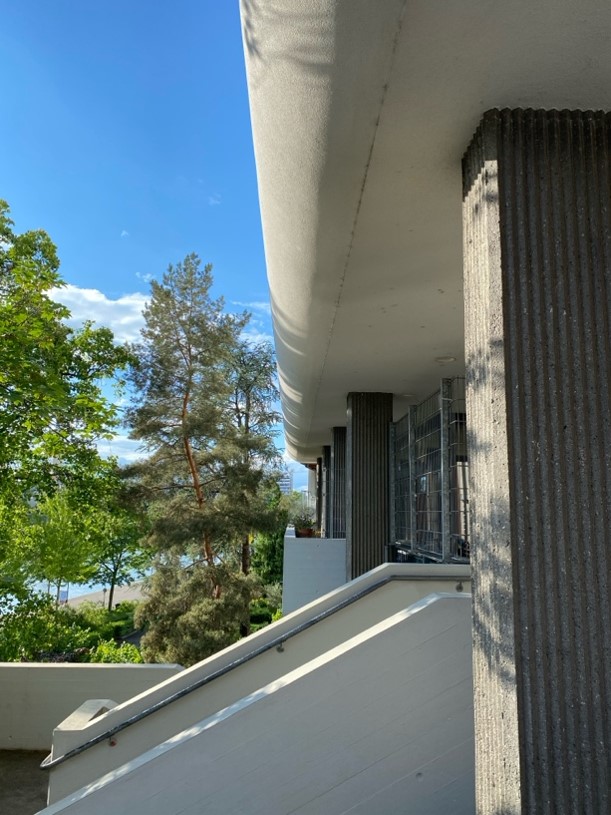
And so, the report gets written. Alongside it, a conference paper summing up the outcomes of my first PhD study forms, a collaboration that benefits from the expertise of Prof. Lavelle-Hill. In two months’ time, it will be accepted for a workshop presentation at one of the leading machine learning conferences in Europe. But I don’t know it yet. And so, I sit there, in the reading room, with songs from around thirty years ago playing on repeat in my headphones; and I try not to get distracted by the grey walls of the library, not to give in to my love of concrete buildings.
My camera roll is filled with photos of locker numbers, so I don’t forget which one I left my backpack in.
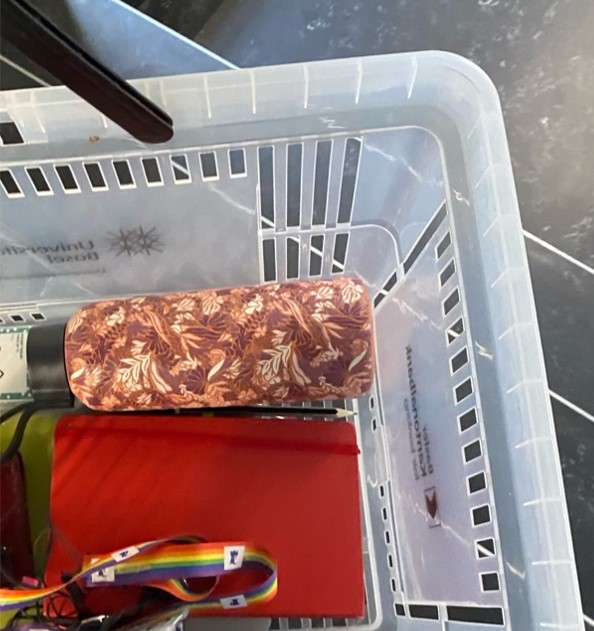
Library basket setup.
Then comes my lab talk. It is strawberry season and so a bowl of fruit lands on the table in the meeting room, surrounded by other sweet treats. Research fika, they call it here at the Uni of Basel. As I walk the audience through the methods and results of my recent study, with a piece of the Basler Läckerli in my hand, I decide it is the ultimate way in which to hold lab meetings.
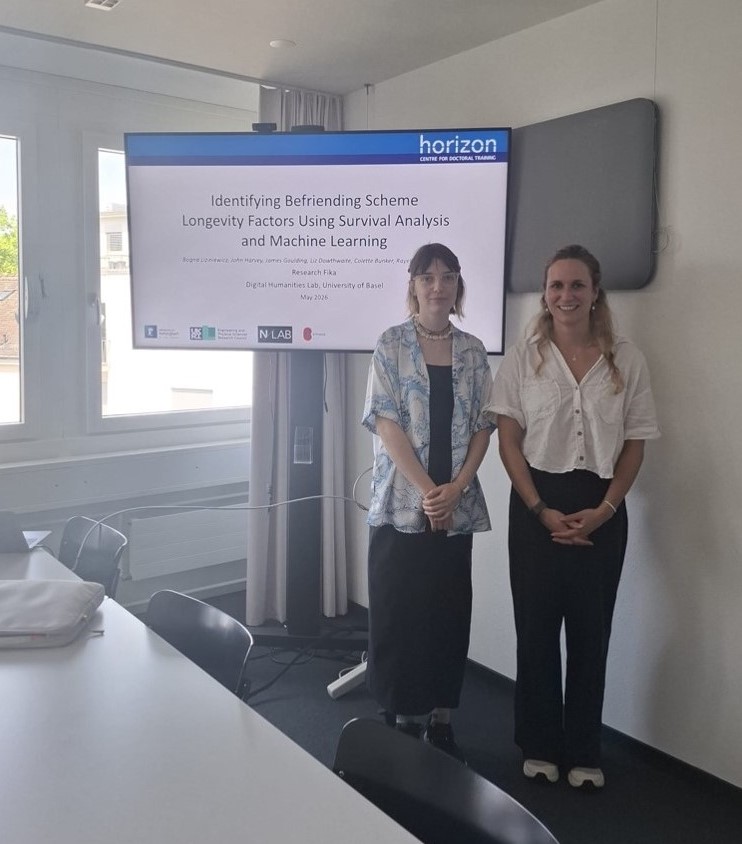
Pictured: yours truly with Prof. Lavelle-Hill after my Research Fika talk.
Food itself becomes an important element of my international exchange. In the most unexpected ways, it is the way I connect with people throughout the month – a canteen conversation with a fellow PhD researcher; little snacks during lab talks; a heart-warming welcome with a pack of local Basler biscuits. I end up chit-chatting with the owner of the takeout down the street from where I’m staying, all because I order in English and so, they get curious as to where I come from. As we talk about the acceptable sauce spice levels and my purpose of being here, in Switzerland, they top up my portion with other random foods – just to try. A month later, when I show up again, they recognise me and ask how my studies are going; if I’m staying for much longer.
The guy in a funky food court speaks a little Polish to me when I speak a little Spanish to them, having overheard it because my German slips away the longer it remains out of use. A research conversation sparks up when I’m caught adding leftover doner kebab meat to a portion of instant noodles, which is an idea as concerning as it is ingenious. I am determined to repeat the experiment in the near future. Now and then, I send my friends photos of bizarre supermarket finds. Meat gnocchi remains the most surprising one. And Griess Töpfli in a little pot becomes my favourite take on semolina pudding. It might be because I have grown up with a version of it being served hot, cooked with milk for breakfast.
Sweets, too, take the better of me, even if normally I’m not much of a fan. Cakes, biscuits, little tartlets – there is a particular way of baking them that I seem to be lured in by. Not too sweet, they might become the reason for my next trip to Switzerland.
I leave the tourist experience proper until the final day in Basel, so that I have something to look forward to, to distract myself from knowing this is where it ends; that the following morning, I will again take the 30 bus to the SBB train station; drag my suitcase up the three steps of the replacement train and set off for Zurich to fly back to the UK.
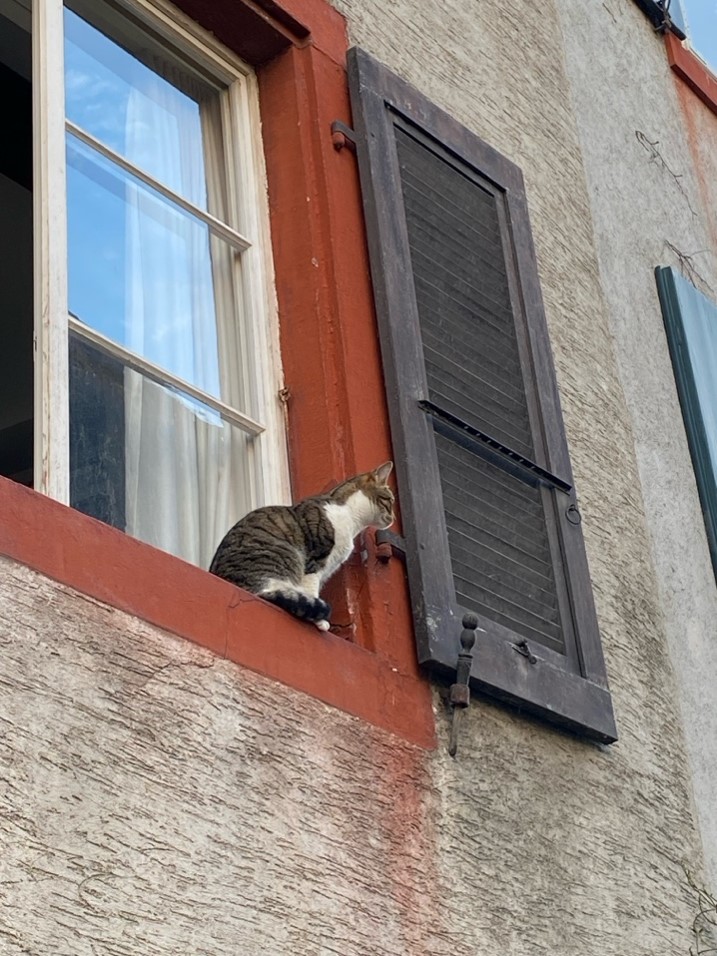
And yet, my step counter betrays me. A dozen kilometres become the daily average; I have seen most of the city just by walking through it. I have crossed four of the five bridges – have seen all of them. Bored out of my mind on day one, having woken up at half six after passing out at ten in the evening, nine hours en route to blame; I strolled my way to France. A couple of weeks later, I made a cat friend in the historic Basler Old Town.
I am now friends with a local Basler cat.
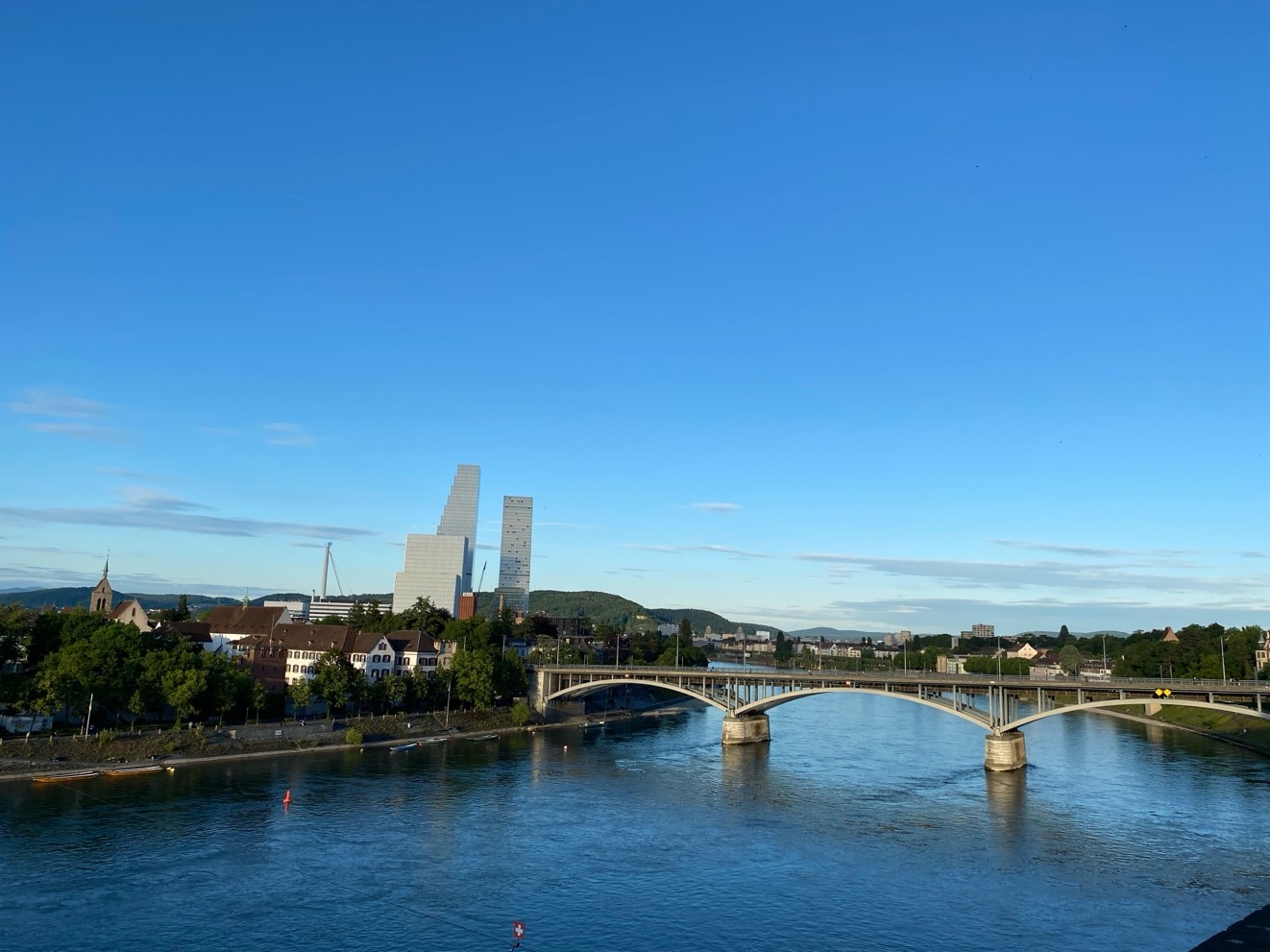
Views of Basel
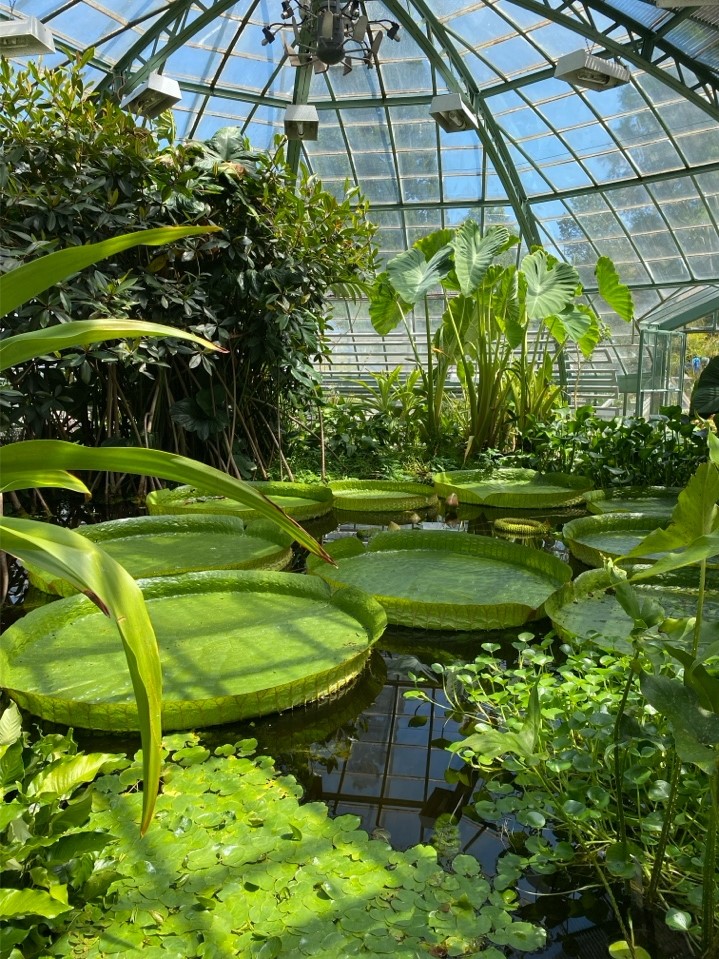
So, it is just the University’s botanic garden and tourist shopping left for my final full day in Basel. I spend probably an hour and a half wandering between all the plants, outdoors and in greenhouses. In the latter, I even find myself temporarily lost – I suppose I would not be myself if things like that didn’t happen. Then I buy chocolate and sweets for my friends. I even find a lovely vintage dolphin figurine. Only when I land and unwrap the layers of newspaper protecting it from breaking apart in my suitcase, do I find out it was made in the UK.
Botanic Garden, University of Basel
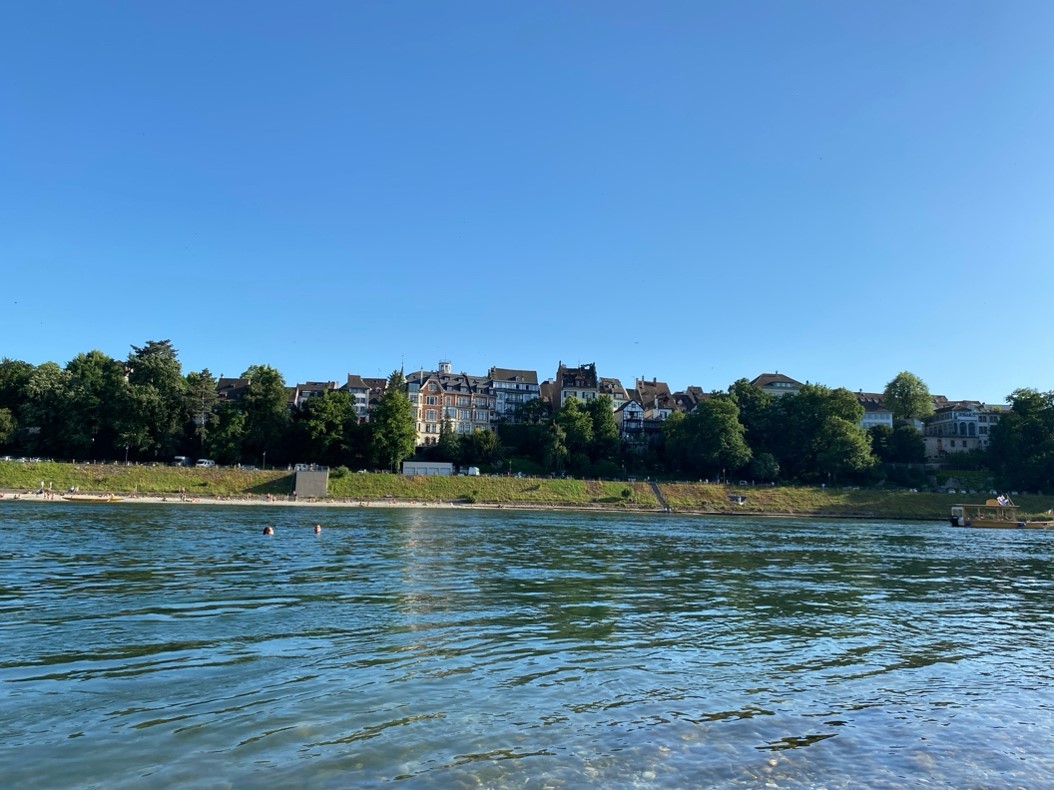
The evening is spent by the Rhine. I have been waiting all month for this, saving the special experience for the final day. It is a hot one, so much that the temperature is still pushing thirty degrees around six in the evening. The river’s transparent blue water tempts me to come down and sit by its side – so I do. I slide my way down a concrete slope of the embankment, only to discover there are stairs twenty yards away. Yet still, I comfort myself with the thought that I have seen multiple people do the same thing.
And then sit by the riverside, I do, somewhat immersed in the water which forms waves whenever a ferry passes. Now and then, swimmers with the Wickelfisch bags float with the current. As I lay down, handbag for a pillow, and close my eyes, only the scent of the river and snippets of people’s conversations remain.
Twenty-four hours later, I find myself sitting on the train from London St. Pancras to Nottingham.
The Lo-fi Turing Test activity at the AI+Us festival, University of Glasgow, February 2026.
Traces of snow welcome me in Scotland. I am surprised to see so many trees, too – actual woodlands covering the hills the train passes by, ascending further north. It is my first time visiting, a surprising coincidence, given that I did my undergraduate degree just eighty miles (or two rail stops) away from the border. Somehow, the direct train to Glasgow never happened to coincide with my travel plans, and so it is only now, years later, that I find myself bound for Scotland.
The second half of February is, no matter how hard I wish it weren’t, cold and grey. I might be an autumnal soul, myself, but several months into this gloomy weather, I am ready for the arrival of spring.
At the same time, I find comfort in the unwelcoming, grey sky, as I wander in solitude around Glasgow after a day of intense – and still, rewarding – public engagement activities.
The latter half of February marks the second instalment of the AI+Us festival, which I already got involved in the month before, back home at Nottingham. Three weeks later, I find myself at the University of Glasgow, my camera roll full of concrete buildings most people would not pause to look twice at; my mind stimulated by conversations.
We’re doing the Turing Test. Or, more accurately, a relaxed version of it – only to arrive at the conclusion that it is virtually impossible to tell apart short forms of AI-generated text from those written by a human. The conclusion prompts conversations. I knew I would get to talk to members of the public and AI experts, both, when I agreed to come for the event. Now I’m making use of it, asking what it means for us, humans, exactly and where it is that responsible AI use meets challenges.
The conversation quickly steers to the aspects of my own research on loneliness interventions. Should we – and if yes, how do we – use AI when designing those? Chatbots come to mind. Empathy expressed as trained, a shortcut, a bridge between rebuilding self-confidence and seeking new interpersonal connections being as helpful as it is controversial. I keep wondering about their potential and danger, both; not taking sides, when I listen to the questions and answers that arise between a multitude of topics concerning other uses of generative AI and the challenges thereof.
The day is intense. University students and members of the public show up, group after group entering and exiting the room. The atmosphere is casual – I balance my helping with the delivery of activities and the informal conversations, questions, and ideas that relate to my PhD. I try not to think of the borrowed pens I will never see again.
And in the end, I am glad to have volunteered, even if I only got so much time to gather thoughts for my PhD. The public dialogue, the perspectives expressed by different individuals, whether or not directly related to my research, have all prompted thoughts I want to address at one research stage or the other. AI chatbots are already being proposed and used as therapeutic means of dealing with loneliness. Charities link people to enhance human connection. And I, I sit somewhere between the two, tasked with the necessity to find out how we can use the resources we have, how to be responsible in doing so; and how to make sure it is the person in need that benefits. An event dedicated to public dialogue on research and technology is a good place to start looking for answers.
This activity was funded by the Horizon CDT Small Impact Grant.
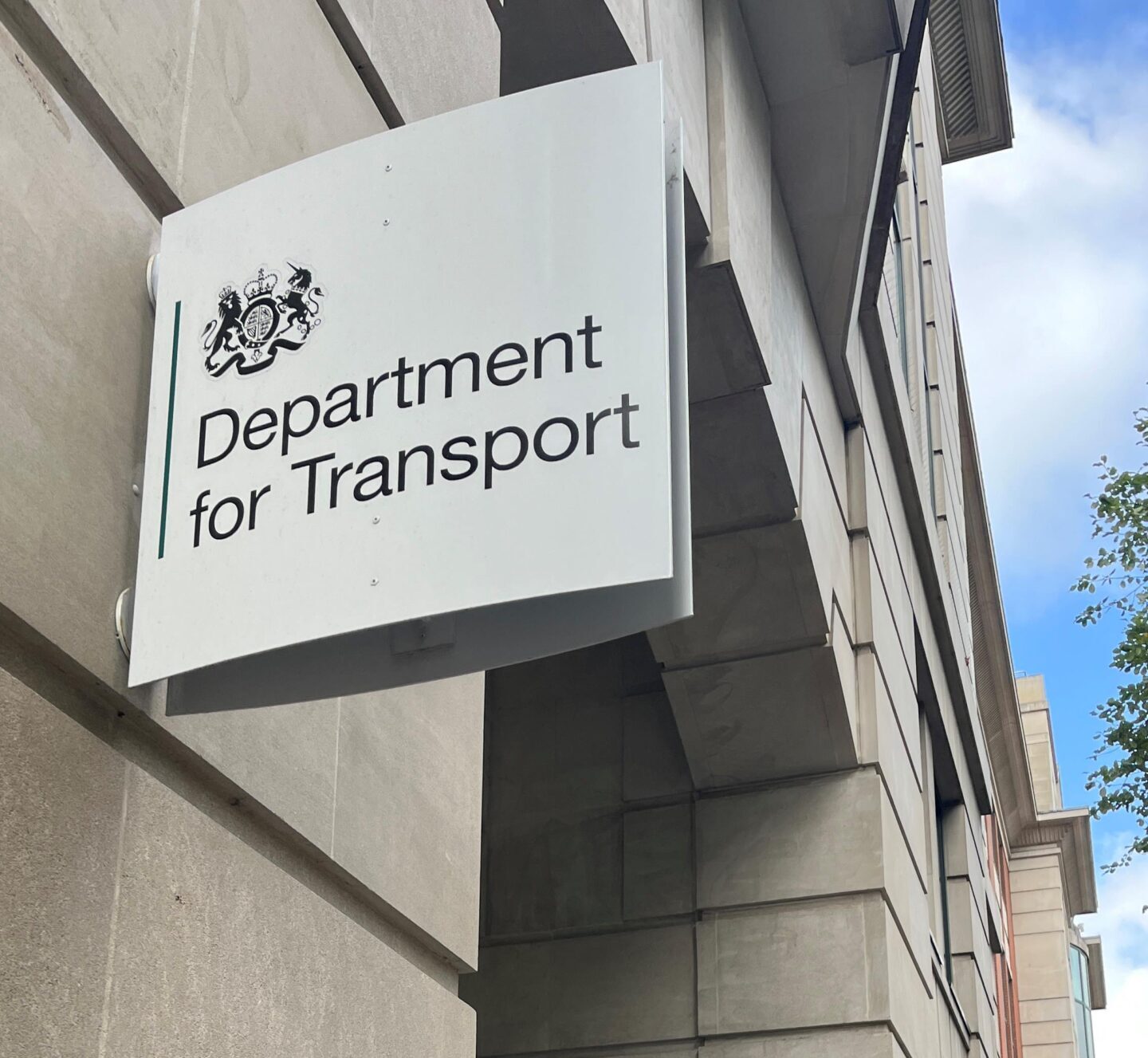
A couple months back marked the end of my brilliant seven-month optional placement with the UK’s Department for Transport (DfT). The internship ran from September 2025 to the end of March 2026, with the last two weeks based at their London office, a few streets away from Downing Street. The experience was filled with learning and building new connections, and I truly enjoyed every minute of it. I was conscious that I did not want this placement to simply be a ‘tick-box exercise’ that gave me the required credits. Being guided by placement mentor Michael Power, who himself was an expert working with automation and assisted driving technology policies, meant that I was able to have a solid plan in place from the start. Hence, I was able to make it work for the PhD so that I could use the work I did during my time with the DfT in my PhD thesis. With driver monitoring systems (DMS) being a novel technology that is of interest to be implemented by the industry to increase road safety, I was aware that being able to include policymaker’s thoughts on it in my PhD, especially those who made transport policies both nationally and internationally at the UN, would make it more impactful.
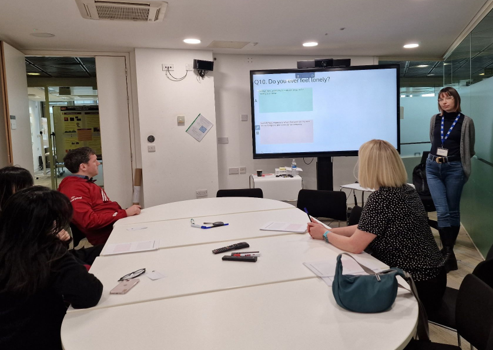
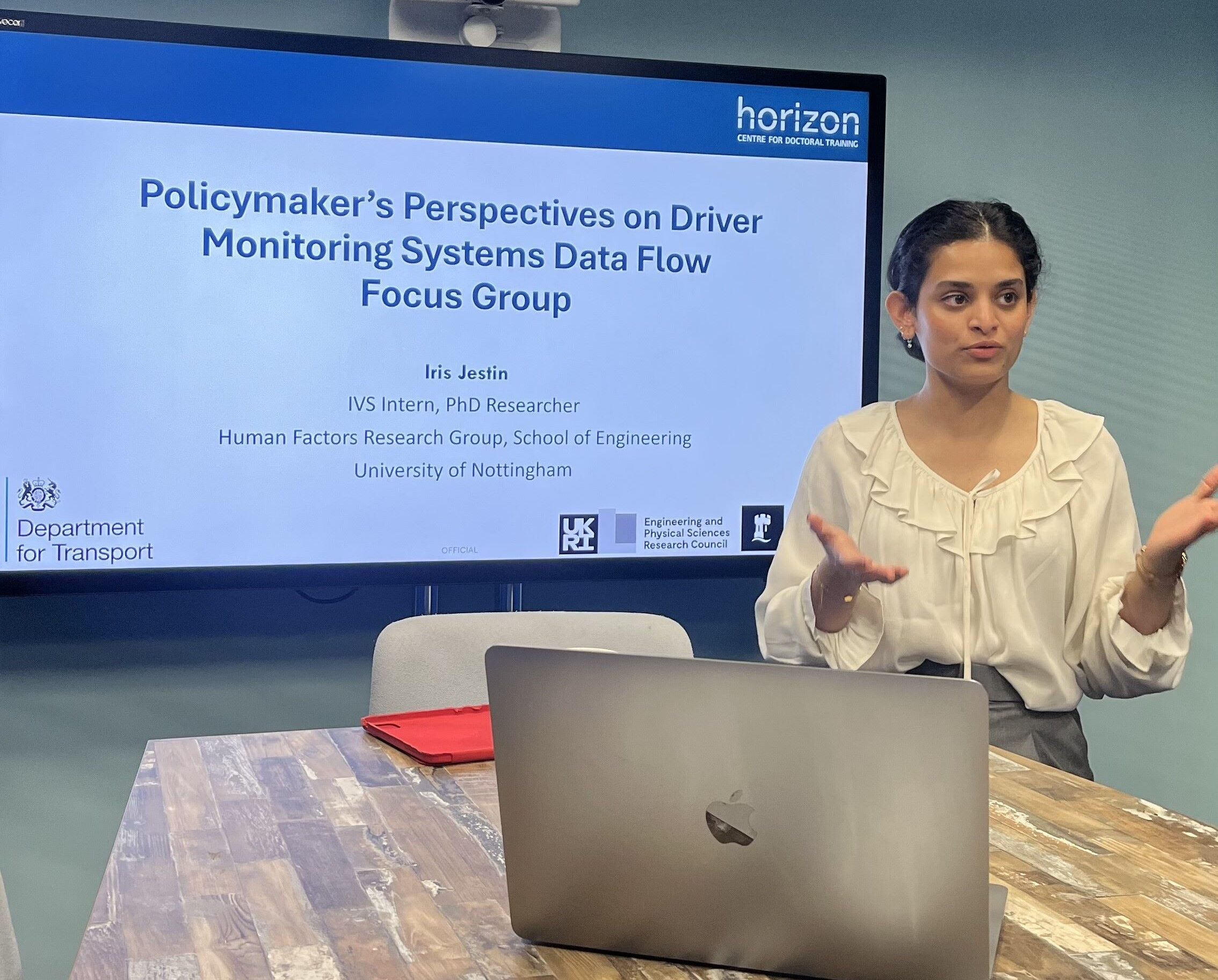
Aligning with other recent literature, as one of the primary findings that came up in my own research on public attitudes towards DMS implementation were the concerns around DMS data collection, storage, use and the wider stakeholders involved in its access, I knew this was a topic I needed to explore. Given that the regulations around DMS are in a relatively nascent stage with regards to its implementation, as the placement progressed, I soon discovered that I was referred to as the person that was able to bring in ‘expert DMS knowledge’ into the existing automated vehicles regulatory conversations. This was an intimidating position to be in and took some time getting used to. I was able to run a two-part study with DfT policymakers, the first part in late January and the second part over two weeks in March. The purpose of the study was to approach through a regulatory lens my PhD’s research question 4 – What are UK transport policymakers’ perceptions of driver monitoring systems implementation and a potential ecosystem of external data flow?
Automated vehicles exist on a spectrum of automation (“SAE Levels of Driving Automation,” 2021). The lower end of the spectrum requires the driver to be in complete control of the driving. At the middle of the spectrum, the driver is required to be in control of specific aspects of the driving. As we move towards the end of the spectrum, the driver is in the role of a passenger, with the vehicle functioning as a robotaxi. The functionality of DMS and the motivation behind their use vary across the spectrum of vehicle automation. The first 90-minutes ideation session of the two-part study, explored policymakers’ perspectives on DMS implementation, while leveraging their expertise of working in each of the different stages of the vehicle automation spectrum. This allowed the experts to share their thoughts on how they believed DMS needed to be implemented more broadly but also specifically within each stage of vehicle automation. Three out of the five policymakers had expertise in automated vehicle technology policy more broadly and the other two in assisted driving technologies specifically. Together, the expertise of the participants covered policymaking across the spectrum of vehicle automation from no automation to self-driving robo-taxis.
The second part of the two-part study conducted in March, was a vignette focus group study. Three focus groups were conducted in-person at the DfT London office in which four vignette scenarios were used as stimulus for the focus group discussion. They were carefully designed based on literature as well as inspired by participant quotes from PhD study 2. Each of the vignettes represented a futuristic scenario based on public concerns, where the data collected and inferences made by the DMS got passed on to other stakeholders, when the technology became commonplace. Some of the external stakeholders that above Study 2 participants from the public believed DMS data could be accessed by are: the transport authorities such as the Department for Transport including DVLA, GP and medical authorities, legal authorities including police and the court, third party companies such as car manufacturers, insurers and satnav companies such as Google (maps). The following questions were primarily of interest for the policymakers focus group discussion: i) Is such an ecosystem of DMS external data flow to other stakeholders desirable? ii) Where should this collected DMS data exist? iii) Who else should be able to access or process this data
While the formal analysis is still ongoing and definitive results have yet to be reached, one key takeaway has emerged from my perspective as a human factors and HCI researcher studying AI. It informs the broader view I hold about the social implications of such advanced technologies: policymaking is fundamentally about navigating tradeoffs. If the potential risks outweigh the anticipated benefits, compromises will need to be made. Though policymakers were able to acknowledge the wider benefits of DMS and an ecosystem of external data flow if implemented accurately specifically in safety-critical scenarios, they also stressed that these benefits must be weighed against significant privacy concerns. If such concerns prove substantial, policy decisions are likely to require careful tradeoffs between safety, functionality, and privacy.
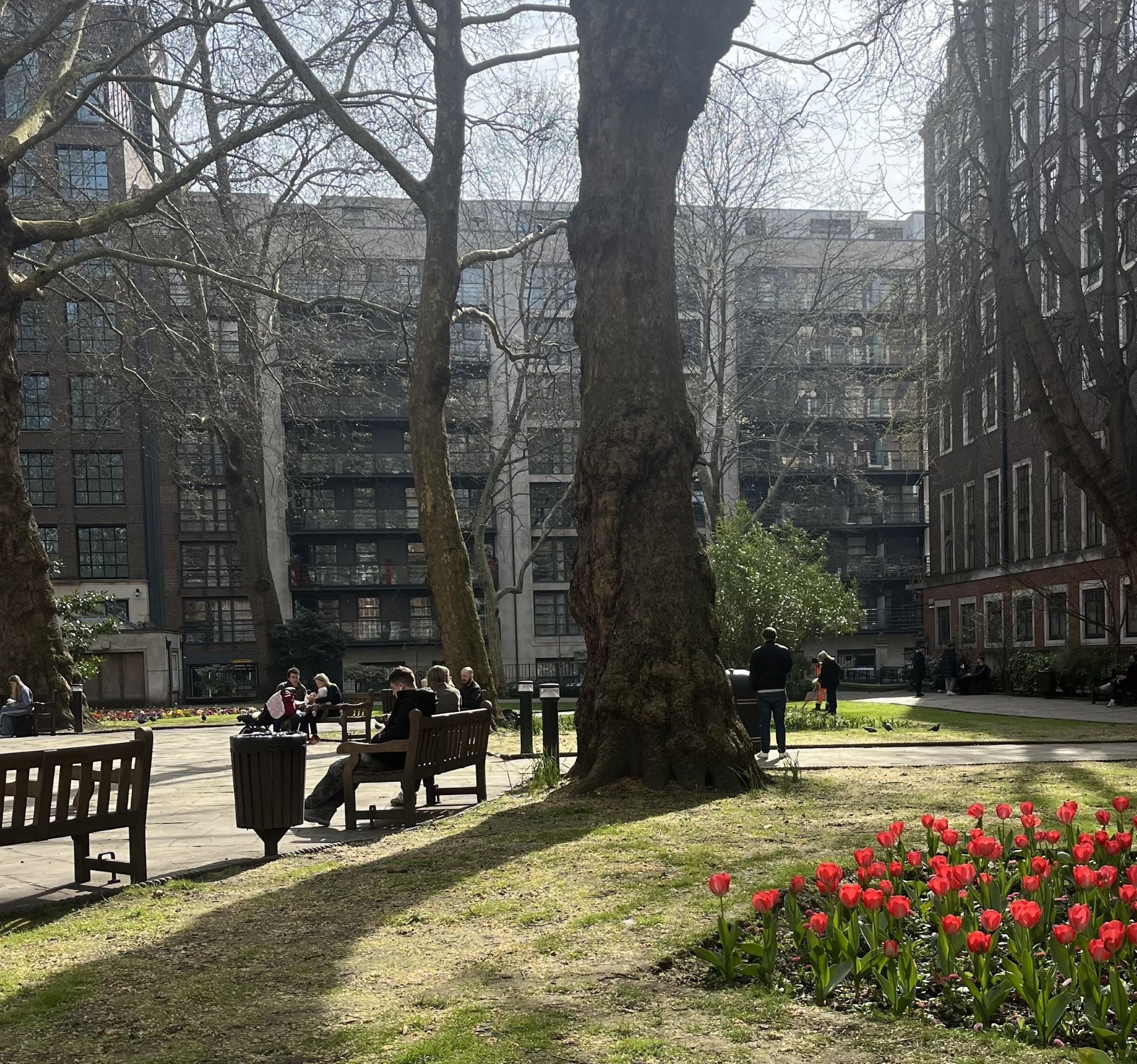
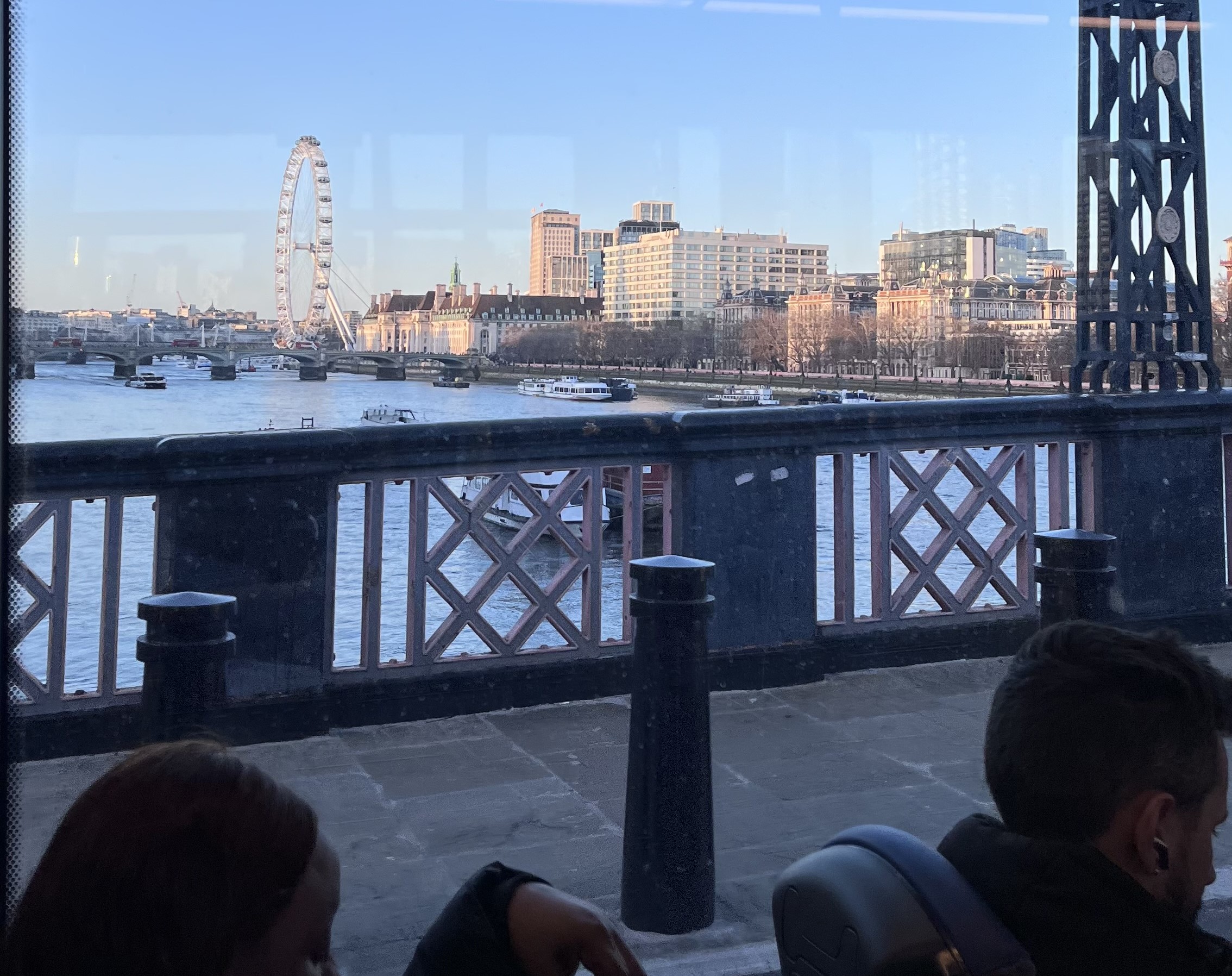
I completed the placement with a sense of accomplishment, having conducted a study, engaged in impactful discussions with policymakers, and built valuable connections. During the final two weeks of the internship, I got used to the rhythm of the daily commute, enjoying views of the Thames and taking lunches at the cute St. John’s Garden next to the office, which I will miss. I feel immensely grateful that the CDT is able to support such opportunities that build us up as well-rounded researchers. I already cherish the memories from my time there and will always look back fondly to the time I had the wonderful opportunity of working with the UK’s Department for Transport.
Sometimes there are research questions that intrigue you beyond the aim of your PhD research. Horizon CDT gave me the chance to explore one such essential research question, beyond the scope of my current PhD: “Why are the Finns so happy?”
We have all wondered, albeit in the comfort of our armchairs, about the secret to happiness, and more importantly, what makes a whole country climb the ladder of the happiness index? I, too, armed with my International Exchange Grant, was ready for the age-old quest for happiness.
I confirmed the research location to be the Gamification Group, headed by Dr Juho Hamari, based at the Gameful Realities Lab, Tampere University, Finland. Under the guise of furthering my PhD research, which tackles the issue of understanding the behavioural impact of gamified participation in a citizen science project, I was, more importantly, tasked with ensuring I had concrete answers to Finland’s high happiness index.
Gearing up for my hero’s journey, I wondered if the negative-degree weather in March would be the best time for my journey. But before I could ponder too much, I was on the flight to Finland.
First Stop: Oulu Time: March 2026
I landed in Oulu at 2 am. While the snow did what it does best, fall gracefully, I plodded on it to reach my accommodation, hoping that my hands would not freeze before I could punch in the passcode.
The conference I was here for, the European Citizen Science Association (ECSA) 2026, awaited me the next day. Intending to network with experts in my field and present my preliminary results from a scoping review on Understanding Gamification Outputs in Citizen Science on one hand, I was also looking for opportunities to direct my small talk to ask more meaningful questions, like “So why are you Happy”?
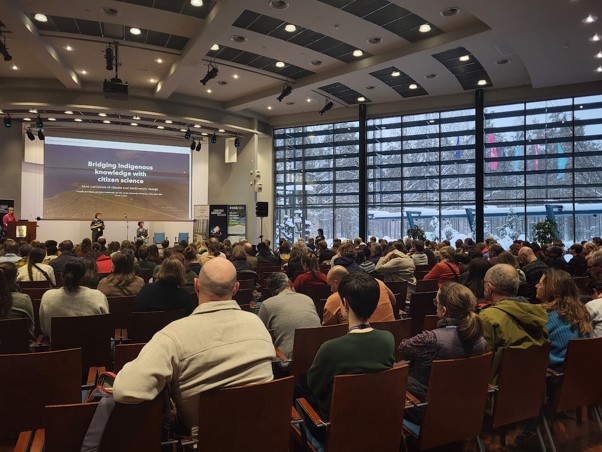
I learnt that the best method to research Finnish happiness is observation. Soon, some answers emerged at the end of the conference, when I witnessed a musical performance by the Screaming Men’s Choir. If the name doesn’t tell you enough, I suggest giving them a listen. Screaming, after all, is quite cathartic.
Figure 1 ECSA conference closing ceremony
Next Stop: Lapland Time: April 2026
My participation in the previous conference had yielded some results. However, the happiness mission was nowhere near completion. My journey presented another opportunity to observe, this time in the form of top gamification academics at the GamiFin 2026 conference in Saariselka, Lapland. Right at the Arctic Circle, close to Santa’s village, I felt I could get the true essence of the Finnish spirit.
While I interacted with my fellow peers, researching gamification from different disciplinary perspectives, akin to my own interdisciplinary research, I found a community of individuals working and struggling with similar research gaps. I could not miss out on this opportunity to camouflage behind and unearth the true cause of their happiness.
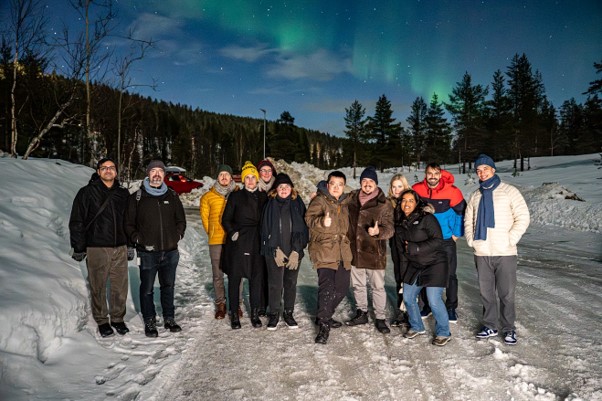
This time, the answers presented themselves in the form of dancing Northern lights in the night sky. Shimmering to lay out the path for mystical beings to pass through the night.
Figure 2 Gamifin northern lights hunting activity
Final Stop: Tampere Time: May-June 2026
By this time, I was about 2 months into the exchange. I was becoming familiar with the lab, the research culture and the different ongoing projects. I was also, of course, trying to figure out the best way to spend weekends in the city.
After a long work week, the Friday evenings were not pub evenings. Instead, they were sauna evenings with friends and colleagues. In the spirit of honesty, I have to admit I had my doubts. Would getting steamed at the start of the weekend beat a cold pint at the pub? The only way to find out was through experience.
Before I knew it, I ended up warming up to it. Dare I say, I started to look forward to it. While I was trying to set up a collaborative study at the lab, the idea of dipping in a 2° C lake became fun.
The collaborative study was the perfect cover. I embedded myself in the GamiLiDar research project, which used mobile phone LiDAR sensors to enable users to collect forest data. To encourage data collection, the use of gamified or gameful approaches was being investigated. By setting up a study to examine the impact of this app on users, I was learning more about the differences in research culture and how the ethics of research are viewed in different countries.
The ethics committee is more centralised in Finland, while in the UK, each department has its own. In Finland, this could mean more standardised ethical practices but longer application procedures, and vice versa in the UK.
Before I knew it, the three months were over, and it was time to say goodbye. By this time, Finland had lost its snow-coated cover and was dressed in green with yellow dandelions on top. The lab that had become my home was now going to be a nostalgic memory.
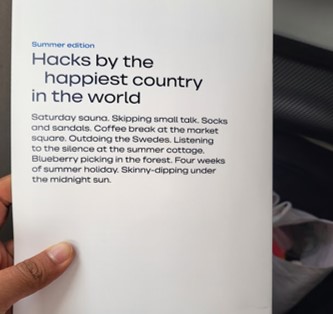
The final answer to the question of happiness came to me most unexpectedly. Sitting on my plane back to Manchester, I was flipping through the only source of entertainment available to me as I waited for the flight to take off – the Finnair magazine advertising the food on board. And I had the answer summarised in a picture:
Figure 3 Finnair magazine back cover
A cynical mind would question the need to spend 3 months in Finland to research the age-old question of happiness. Apparently, these answers would be revealed to anyone taking a Finnair flight back to Manchester. For those minds, I have some data from the field study that supports the gamified and playful approach for citizen science.
For others, I come back with experience being my master and a lot of gratefulness to the Gamification Group that facilitated this learning. Now, I just look for the nearest sauna to spend weekends at.
I recently returned from a two‑month research exchange in Aotearoa New Zealand, generously funded by the Horizon CDT. During my time there, I was based at both the University of Auckland and Victoria University of Wellington, working alongside researchers in youth and digital mental health.
I remember being interested in the international exchange opportunity way back when I applied for my CDT place. I’m a big believer in stepping outside of your comfort zone to grow and learn so taking up this exchange and choosing a country on the opposite side of the world felt like a good start – and escaping the English winter for the summer of New Zealand helped!
Seeing research differently
My PhD focuses on how digital mental health technologies are used, adopted and designed but much of my research until now has been grounded by the UK context. New Zealand, however, offered a different perspective.
New Zealand (NZ) offered a compelling contrast: a system undergoing change through the development of Te Whatu Ora (Health New Zealand), with moves towards a more coordinated national model of care which includes national provision of digital mental health tools across regions. From my first study, I had already learned about the more fragmented NHS model used in England, where mental health technologies are procured locally and unevenly. I was curious whether a coordinated model improved these challenges and the impact that culture can have for these technologies.
I was also keen to learn from some of the pioneering experts in the field. Terry Fleming and Karolina Stasiak are the original developers of SPARX, an e-therapy serious game for young people experiencing depression and anxiety. SPARX was initially developed and tested back in 2012 and has since been adapted and tested across populations and countries and is currently being trialled in the UK, led by researchers at the University of Nottingham.
Moments that stay with you
There are some key highlights that stand out from the trip for me. The first being presenting as a keynote speaker at the Child and Adolescent Research Network (CARN) conference. I had the chance to give two presentations to this group of mental health researchers and clinicians on my PhD research on the adoption of digital mental health technologies in the UK, alongside my research on smartphone addiction. However, this also gave me the chance to learn more about the research happening in this field across NZ, including CAMHS and crisis care, school-based mental health, and digital interventions for those waiting for care.
Attending New Zealand’s first Youthline Youth Mental Health Summit at the Beehive (the New Zealand Parliament building) was another memorable day. The event brought together young people, researchers, clinicians, NZ’s Minister for Mental Health and others involved in policy to hear evidence and set future priorities for youth mental health. It was a powerful introduction to the mental health landscape of NZ and to the lived experience of those who spoke at this event, in efforts to improve mental health of future generations.
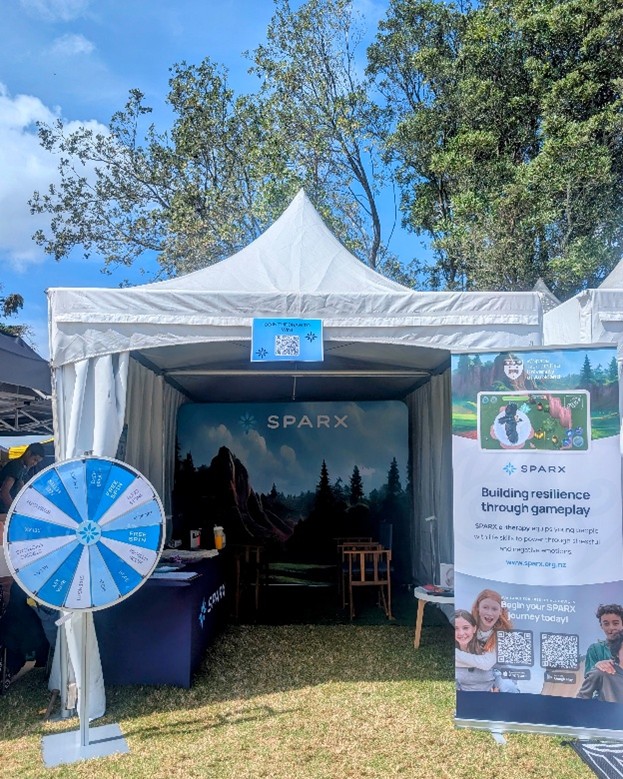
A different, but equally memorable experience was attending ASB PolyFest which is a three-day festival dedicated to celebrating Pacific culture and those from Polynesia. Alongside watching performances, I was able to see how digital mental health tools like SPARX were being shared and promoted in these spaces, bringing my research topic into a real‑world, community context.
However, there were smaller moments too. Such as seeing one of the original SPARX CDs from 2009, which puts in perspective how much technology has moved along and engaging in Waiata, the singing of traditional Māori songs during meetings, ceremonies and other occasions.
The Beehive for the Youth Mental Health Summit and SPARX promotion tent at ASB PolyFest
Learning through place
While it is difficult to fully capture a two‑month experience in a single post, one thing that stood out to me was the value of immersion through the exchange. The chance to spend two months in NZ allowed me to see patterns and connections that would not have been visible in a shorter visit. Some of the most important learning also did not happen in formal settings, but through everyday experiences like conversations over lunch or coffee, seeing how work unfolds over time, and living and travelling across the country. It allowed me to settle into the rhythm of academic life and to gradually build an understanding of how research is shaped by its environment.
Being immersed in Aotearoa New Zealand also highlighted just how strongly context shapes digital mental health. It helped me learn about the important structural differences between countries and yet how many of the challenges facing digital mental health such as engagement, accessibility, and implementation are also shared across contexts and countries. The exchange made it clear that digital mental health technologies do not exist in a vacuum, but rather how they are shaped by healthcare systems, policies, cultures, and communities. Learning about Māori perspectives on wellbeing, and how these are embedded within research, policy, and practice, added an entirely new dimension to my thinking. This is something that is easy to say, but much harder to fully understand without being there.
Other experiences grounded this understanding in everyday reality. Seeing tools like SPARX and Headstrong not just as research outputs, but as things that are actively promoted, adapted, and used brought my research topic to life in a new way.
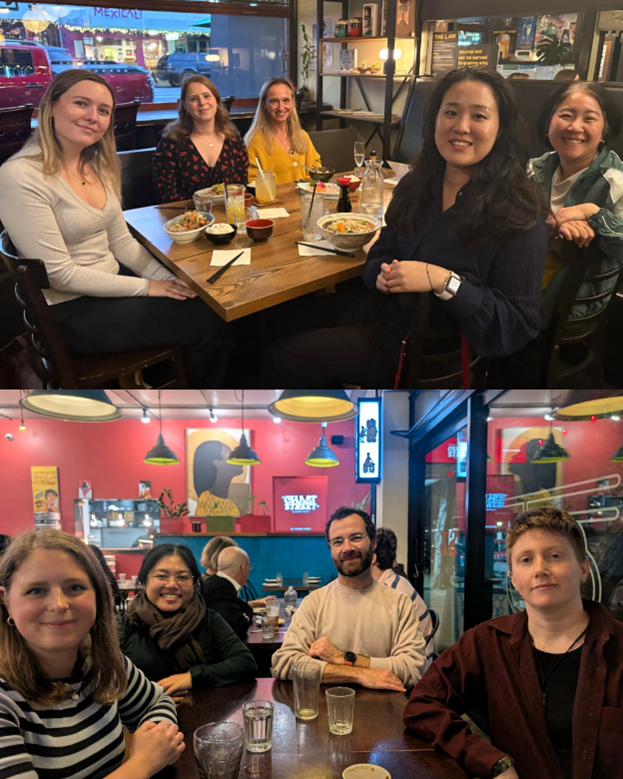
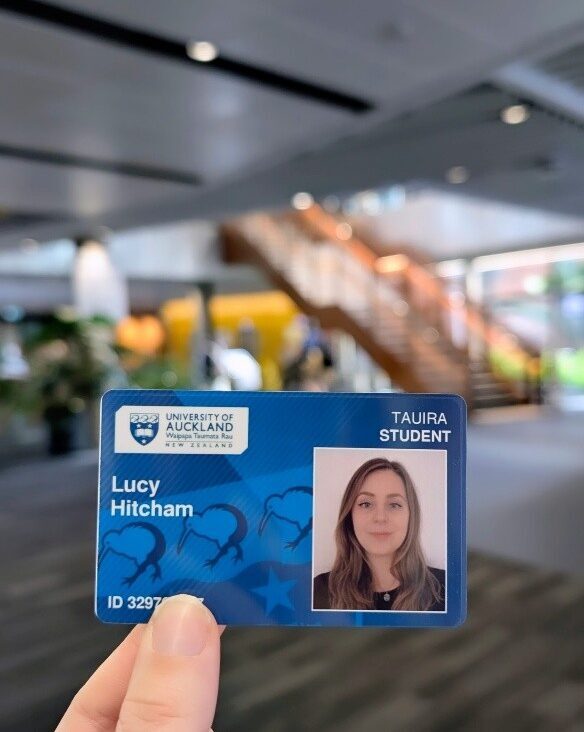
Lucy with the teams at UoA and VUW and Lucy’s student card
Life beyond research
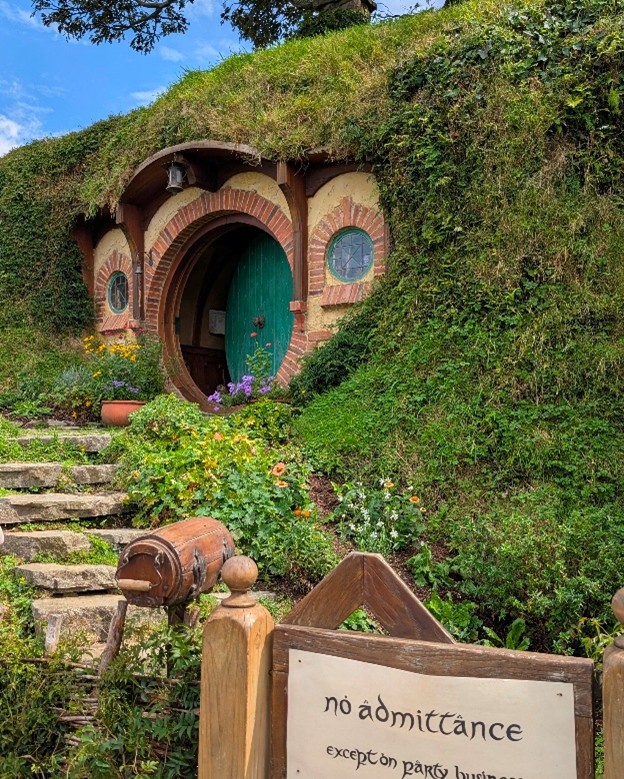
While a lot of my learning and experience was focused on my time at the universities, I made sure to also make the most of my free time on weekends and during the Easter break. The North Island of New Zealand has so much to offer and explore from the beautiful beaches and hiking trails to visiting the Hobbiton movie set and wine tasting on Waiheke Island.
On a personal note, I have long wanted to visit New Zealand. I had acquired my Working Holiday Visa (WHV) to go and live and work in the country many years ago but the plans were blocked by the COVID-19 pandemic so it was wonderful to finally visit, albeit under very different circumstances. Throughout the visit, I kept coming back to this feeling of gratitude for the opportunity, for the people I met, and for finally experiencing a place I had long hoped to visit.
Photos from the Hobbiton Movie Set and famous Cathedral Cove beach
Looking ahead
I am hugely grateful to my hosts Hiran Thabrew, Karolina Stasiak, and Terry Fleming for their generosity and guidance, and to colleagues at both universities for making me feel so welcome. I am also thankful to the Horizon CDT and my supervisors for supporting this exchange.
I have returned with new perspectives, connections and inspirations, and many new questions. The experience has helped reshaped how I think about my research, particularly in terms of context, culture, and the realities of implementation.
I hope this won’t be the end of that journey and next time, I’ll be sure to make it to the South Island!
Trade Sexual Health is a charity working in Leicester, Leicestershire and Rutland that provides sexual health resources- among other services- for LGBT+ individuals who live in these areas, as well as HIV related care for people outside of the LGBT+ community. Trade is also involved in activism- most notably for my academic purposes, it has ties to the trans healthcare project run by the Leicestershire branch of Citizens UK.
Trade seeks to ensure that all facets of the LGBT+ community receive high-quality sexual health care. While the charity was founded as a resource for presumed cisgender men who might be at risk for HIV, the charity seeks to protect the rest of the community, both because they are part of these men’s sexual networks and due to the limited resources that are available to the wider queer community.
My relationship with Trade Sexual Health
My academic focus is on transnormativity in transmasculine YouTubers. Transmasculine is defined here as a person who has undergone, is undergoing, or intends to undergo some form of masculinising gender transition- they may intend to achieve androgyny through masculinisation or achieve a presentation that is as close to cisgender manhood as possible, or any identity between or around these two points. This is a topic that is important to me, as I am transmasculine myself.
A YouTuber is defined as a social media influencer who uses the video sharing platform YouTube as their primary space for publishing content. Due to a variety of factors, including a lack of representation in mainstream media and an inability to learn about their history and identity in formal education, transmasculine people- along with other queer people- often turn to YouTube for education and community seeking.
While Horizon has provided me with a large amount of opportunity to talk to and learn from researchers in the field of social media, I wanted to ensure I was able to have experiences with researching queer people and environments. I have been given a number of opportunities to do this, including my attendance at the summer school run by the European Professional Association for Transgender Health, but Trade allowed me to form consistent, long-lasting relationships with both those working in queer activism in my local community and those familiar with working with the LGBT+ community in a professional or academic context.
What have I done for Trade?
Trade was able to give me experience in two skills- Performing research in a non-academic environment and communicating information about transmasculine people to those who were uninformed or only partially informed about the issues that transmascs
Trade had me perform a number of research activities- including surveying the local trans population as to their experiences with certain aspects of gender affirming healthcare, and sexual health procedures such as pap smears that may have an element that affects trans people negatively. I was able to see how this data is used in practice to communicate with local health services, and change the experiences that queer people have in Leicester, Leicestershire and Rutland.
I was also able to provide my input as both a trans individual and an expert on transmasculine experience in different forums- including a project on HPV prevention within queer spaces, the local NHS Integrated Care Board, and Leicester Partnership Trust’s training on trans experiences with the NHS.
How have I benefited from my placement at Trade?
As mentioned previously, my experience with Trade has allowed me to see one way in which the kind of data I am collecting and wider research that I am doing might be used in order to benefit the trans community. It has also allowed me to see how prominent the research gap I am filling is and the real-world impact that filling it will have. Organisations want to be able to help transmasculine people, but more research needs to be done on the ways that society marginalises us in order for that help to have full and proper impact.
My connections at Trade- specifically through their Transductive support group for trans academics and allies- have also allowed me to meet and discuss my research with a larger group of queer academics in a number of fields I would never have considered reaching out to, such as Geography and Physics. This has allowed me to discuss ways in which I would like to grow my academic career beyond Horizon, as well as to seek support when dealing with difficult topics, such as the current legal battle over trans rights in the UK.
My future relationship with Trade
I intend to continue interacting with Trade on both a personal level- through volunteering and participating in the Transductive group- as well as an academic one. I have received an impact grant from Horizon and I intend to use this to do some research on what an ideal world would look like for transmasculine people- with Trade acting as support for both recruitment and grounding the study in reality. For example, Trade might provide a context for participants to discuss what an ideal social club might look like, or how a medical professional would interact with transmasculine people in an ideal way.
I am excited to carry out this research, and grateful that I have been able to interact with a charity that does such useful and interesting work in my local area. I hope to continue to engage with Trade and other organisations like it throughout my academic career.
post by Favour Borokini (2022 cohort) – originally published on the SLSA blog
Horizon Centre for Doctoral Training 2025 Start of the Year Event, 2nd place poster
The Black Vagina Cake Problem
My PhD explores ethics concerns in the design and use of avatars. One day, during a workshop, while we were discussing the appropriateness of the use of black avatars by white people in virtual reality (VR) spaces, a participant, who was white, shared that they had been to a cake sale, and perhaps it was reproductive rights-themed, because there were black and white vagina cakes available for sale. Unfortunately, no one felt particularly comfortable buying the black cakes, and they went unsold during the sale.
This participant shared this story to explain why she was ethically opposed to designing black avatars. For her, having never experienced racial discrimination or the lived experience of blackness, it was as inappropriate and uncomfortable to culturally appropriate blackness in VR spaces by using a black avatar as it would be to purchase and consume a black vagina cake.
There are perhaps a number of key takeaways here, but the statement made in passing about the black vagina cakes going unsold seems to me to have illustrated a faint acknowledgement that this ethical decision was not unburdened by some juridogenic form of harm.
I’ve applied to carry out a film and exhibition project exploring the lives of Africans in Nottingham through 2D and 3D images or avatars. The word ‘avatar’ refers to digital representational images, even including the humble selfie. Participants will visit museums and libraries and design 3D avatars while reflecting on the contrasts between these forms of institutional representation and photographs of their own, created before or as part of the process. The idea here being to attenuate participants’ sensitivity to how they might want to tell their own stories about the African migrant experience through images. My goal, if funding is approved, is to film the process and screen the movie at a combined film and exhibition event.
While putting together the application, I reached out to a filmmaker whose work I had come across through a film she had produced for a charity a friend of mine was involved with in Nottingham that I greatly enjoyed.
During our chat, she seemed quite into the project, and we excitedly talked about logistics and rates. Then, towards the end, she shared a reservation: as a white woman, she didn’t feel entirely comfortable because she was worried about depriving a black filmmaker the opportunity to work on the project.
Blindsided, I tried in this moment to explain why I didn’t think this mattered, but I don’t think I was quite successful. We then spoke about potentially finding a black understudy, and after a few email exchanges, she stopped responding.
An Unsettling Suspicion
Last week, it struck me on my way to the tram stop, that that had been a very weird interaction and one that, like the Black Vagina Cake story, highlights what happens when values of inclusivity meant to safeguard minorities, harden into inflexibility.
As an international student who came to the UK less than four years ago, I am not privy to a large network of friends and family in the UK, among whom I can find with ease, black-owned businesses or service providers. Indeed, many of my friends here are international students who are also in the UK for the first time.
As a result, I do not feel able to select for black service providers when I need a service provided for me, nor indeed is a race-conscious approach something that I actively or subconsciously think about, being from Nigeria, an almost fully racially homogenous country.
Multiple Choice Questions
My friends are even less sanguine. To them, the filmmaker’s reservations were a polite let-down from someone who did not actually wish to work with me.
I must confess I hadn’t considered this much worse possibility.
Whenever I share the Black Vagina Cake story, I receive a variety of responses, too. It’s just chocolate cake. Vanilla cake is a more popular option (it is not!). One person took issue with the storyteller, and with me perhaps, and said it was a very inappropriate story to share due to the sensitive nature of sex and sexuality. Others have asked me who designed the black vagina cakes and who the designers expected to eat them.
Certain responses have opened my eyes to the fact that there exists a number of people who feel emotions ranging from anxiety that being seen to enjoy or consume non-stereotypically British activities may result in reputational damage arising from accusations of cultural appropriation, to a resistance to being coerced into joining in multicultural activities they are disinterested in.
The Death of An Ethic
These two stories and others from my research and life in the UK illustrate to me what it looks like when an ethical value has run its course.
As a feminist Nigerian lawyer, I am extremely unimpressed by the use of traditional law and custom within Nigeria’s legally pluralist system to deny women various constitutionally-recognised rights. I often find the literature on legal pluralism and the non-acknowledgement of its risks and failings among pluralists very naive and unreflective of the actual work being done by feminist litigators in Africa against oppressive customary systems.
I have, however, come to appreciate the way legal pluralism affords me the language to frame my exploration of the legal norms at play online and offline in the design and use of avatars.
It’s a question too, once the legal side of these norms is laid bare, of critiquing them and uncovering their failings and where they actively perpetuate harm by solidifying, precedent-like.
Unclear ethical futures
Like myself, I imagine many African migrants come to the UK with their own histories and socio-cultural contexts, starry-eyed, wanting to meet new people, make friends and, find love, not expecting to contend with how all this blurs into ‘blackness,’ an identity that here invokes and evokes its own set of legal and ethical considerations that make it safe, prudent even, to abstain from black vagina cakes and providing services to African international students.
How then do we move in the wake of the death of a norm towards a necessary new politics of desire?
I am not entirely sure, and do not pretend to be, but I invite you to imagine with me.
My placement with Makers of Imaginary Worlds (MOIW) gave me the opportunity to develop a deeper understanding of how my PhD research connects with creative industry practice. As MOIW is my industry partner, the placement felt less like a separate requirement and more like a chance to engage more closely with the practical, artistic, and organisational realities that surround the kind of work I am researching. It allowed me to see more clearly how interactive technologies, public engagement, and creative production come together in real settings, and how these differ from the more structured environment of academic research.
The placement included work across several contexts, including Ashfield Creates, Oakfield School, and Level Centre. These experiences gave me insight into how MOIW works across different venues, audiences, and forms of engagement. They also gave me the opportunity to contribute to research and public-facing activity in settings that were more varied than a single deployment or study. This helped me understand not only the practical side of the placement, but also its broader relevance to my PhD and to the Horizon CDT’s emphasis on interdisciplinary and socially engaged research.
At the start of the placement, I expected to gain a better understanding of how a creative organisation works in practice, particularly one that designs immersive experiences for children and families. I hoped to learn more about how artistic goals, audience needs, accessibility, and venue constraints shape the development and delivery of an installation. I also wanted to better understand how my own research skills could contribute within that context. While these expectations were met, the placement also pushed me to reflect more critically on how research methods and ways of working need to adapt when they are applied in live, public, and community-facing settings.
Across the three venues, one of the clearest lessons was that research and engagement methods cannot be treated as fixed or universal. While designing my study with Special Educational Needs and Disabilities (SEND) children, it became clear that many standard practices in data collection were not well suited to the context. Approaches often taken for granted in research, such as structured interviews or direct verbal reflection, do not always align with the needs of participants, the environment, or the nature of the interaction itself. This required me to think more carefully about alternative approaches that were more appropriate, respectful, and sensitive to the people involved. More broadly, working across all three settings reinforced the importance of shaping methods around the setting rather than expecting the setting to accommodate the method. It meant paying closer attention to observation, embodied interaction, behaviour in the moment, and the wider circumstances surrounding participation.
These experiences were also rewarding on a more personal level. I am grateful for the opportunity to spend time with participants, staff, and audiences across these settings, and to have conversations that often went beyond the installation itself. At Oakfield in particular, I valued the chance to speak with children about wider questions around robots, AI, the future of the world, and their own goals and aspirations. At Level, conversations with visitors often moved into broader issues around the impact of AI on art and ownership, the blurred lines between human and artificial creation, and how that space might be navigated ethically. Together, these interactions reminded me that this work is not only about evaluating systems or collecting data, but also about creating space for dialogue, curiosity, and reflection. In that sense, the social impact of the placement felt high. Across all three contexts, there were genuine opportunities for public engagement and for connecting my research to wider questions of ethics, creativity, access, and the future role of intelligent systems in society.
Throughout the four years of my PhD, and especially through spending time in these venues and interacting with the people involved, I gradually arrived at a broader reflection on what it means to work in a space where research, creative practice, and public engagement are all happening at once. With MOIW, the work is not only about understanding interaction, but also about making something meaningful for the people encountering it. That means thinking carefully about how artistic intention, accessibility, audience experience, and practical delivery shape the way a project develops. For me, the placement was valuable because it gave me the opportunity to work within that balance directly, rather than only thinking about it in theory. It showed me more clearly how research decisions are shaped when they form part of a live creative process.
In terms of skills development, the placement strengthened both my professional and research capabilities. Professionally, I developed my ability to communicate across disciplines and to work with collaborators whose expertise lies in arts practice, facilitation, and audience experience rather than robotics or human–robot interaction. I also developed a stronger habit of reflective practice, particularly in thinking about what worked, what was challenged, and how I would approach similar situations in future. From a research perspective, the placement deepened my understanding of context-sensitive and inclusive methods, especially in relation to study design, observation, interpretation, and working with children in varied public settings. These are skills that are highly relevant to both academia and industry, as they support not only rigorous research but also effective collaboration and responsible practice.
Overall, the placement has helped me situate my PhD more clearly within the wider aims of the Horizon CDT. It has shown me how questions around data, interaction, interpretation, and lived experience play out in real environments, and how research can contribute to public-facing creative work in meaningful ways. Most importantly, it has helped me develop a more grounded understanding of what it means to work across academia and industry: not simply applying existing skills in a new setting but learning how to adapt those skills in response to different people, priorities, and forms of practice.
In academia, it’s all too easy to spend a lot of time and effort thinking about theory, reading other academic’s writing, and focusing on your research design. They’re all important, but sometimes it stops you from poking your head above the parapet and seeing what things are like in the “real world”.
My PhD research looks at how individuals are engaging with the circular economy and to what extent digital technology plays a role. We live in a society that uses too much and throws too much away, and this all takes a big toll on the environment. The circular economy aims to reduce waste by focusing on actions like repairing, sharing, and reusing, instead of always buying new and throwing away. I’ve spent the first two years of my PhD immersing myself in academic debates about the circular economy, and it’s taken me across a whole breadth of topics, including discard studies, Jevons paradox and rebound effects, and ideas of circular citizenship. But the term “circular economy” doesn’t mean much to the average person; it isn’t something most people talk about over dinner. In fact, many haven’t heard of it at all (and who can blame them when academics can’t even agree what it means).
So, what better way to understand what people think than getting out and talking to them? Last summer, I had the chance to do just that by helping Oxfordshire County Council with a doorstep survey in the town of Wantage. It was a great opportunity to talk to people… a lot of people. Over six weeks, the team I was working with managed to knock on nearly 4000 doors and had over 300 conversations.
Why I ended up knocking on doors?
My experience formed part of the Horizon CDT placement module, a three-month opportunity designed to help students develop skills and connect their research to a context outside of academia. My placement with Oxfordshire County Council was organised through their involvement with CircleUp, a Horizon Europe project in which my industry partner, Earthwatch Europe, is also involved. The aim of CircleUp is to explore different ways to engage households with circular economy behaviours; in particular, focusing on how to waste less clothing, electronics, paper and plastic packaging, and food (perfectly aligned with my PhD!) To test this, CircleUp is working with over 100 households in the UK, Germany, Latvia and Norway.
As part of the UK activities in CircleUp, Oxfordshire County Council wanted to run a doorstep household survey with two aims: to understand what circular economy behaviours people already did, and to recruit households to take part in the CircleUp project. Rather than asking about the circular economy directly (a surefire way to prompt blank stares), the questions instead focused on examples of activities to reduce waste run by the local environmental group Sustainable Wantage (for instance, a repair café, library of things, refill shop, clothes swap, and community fridge).
The fieldwork came with its own set of challenges. As usual in the British summer, we spent as much time sheltering from the torrential rain as we did shading from the sun. And each door knock could start a new adventure from (over)friendly dogs, people in the middle of moving house, and others who were keen for a long chat (or rant) about completely unrelated topics. But was all the risk worth the reward?
What I learned from the conversations
I learnt a lot from the placement. It gave me great hands-on experience in every stage of designing and conducting a large-scale household survey. The data collected will also provide really helpful context for the studies I’m carrying out in my PhD. But the biggest learnings weren’t these practical skills, they were the cumulation of experience from each door knocked. Every conversation revealed a different perspective, as much shaped by practical realities and family routines as they were by deeply-held values and beliefs. It reminded me that circular economy behaviours aren’t abstract concepts – they are built on layers of lived experience and personal history, mixtures of habits and impulsive actions, and that often, despite best intentions, behaviour is determined by local infrastructure and other practical limitations.
One of the biggest takeaways I had from the experience was that, although the term circular economy is unfamiliar, the underlying principles of reducing waste through reuse, repair, and sharing are instinctively appealing to a lot of people. Even if people hadn’t heard about community activities like library of things or repair cafes before, once we explained more about them, many really liked the idea and seemed keen to get involved.
At the same time, the conversations could be difficult to navigate because everyone brought their own priorities and interpretations. Once we’d mentioned waste, some people dismissed the whole topic as about recycling and couldn’t see beyond this as the main (or only) way to reduce waste.
Overall, the placement challenged me to think differently, talk about my work differently, and reflect more deeply on the purpose of my PhD. It helped me learn what the circular economy could mean to the people whose everyday habits shape it . And ultimately, it helped me to ask, “what matters to households (and what doesn’t)?”
And for that, nothing beats knocking on a door and having a conversation.