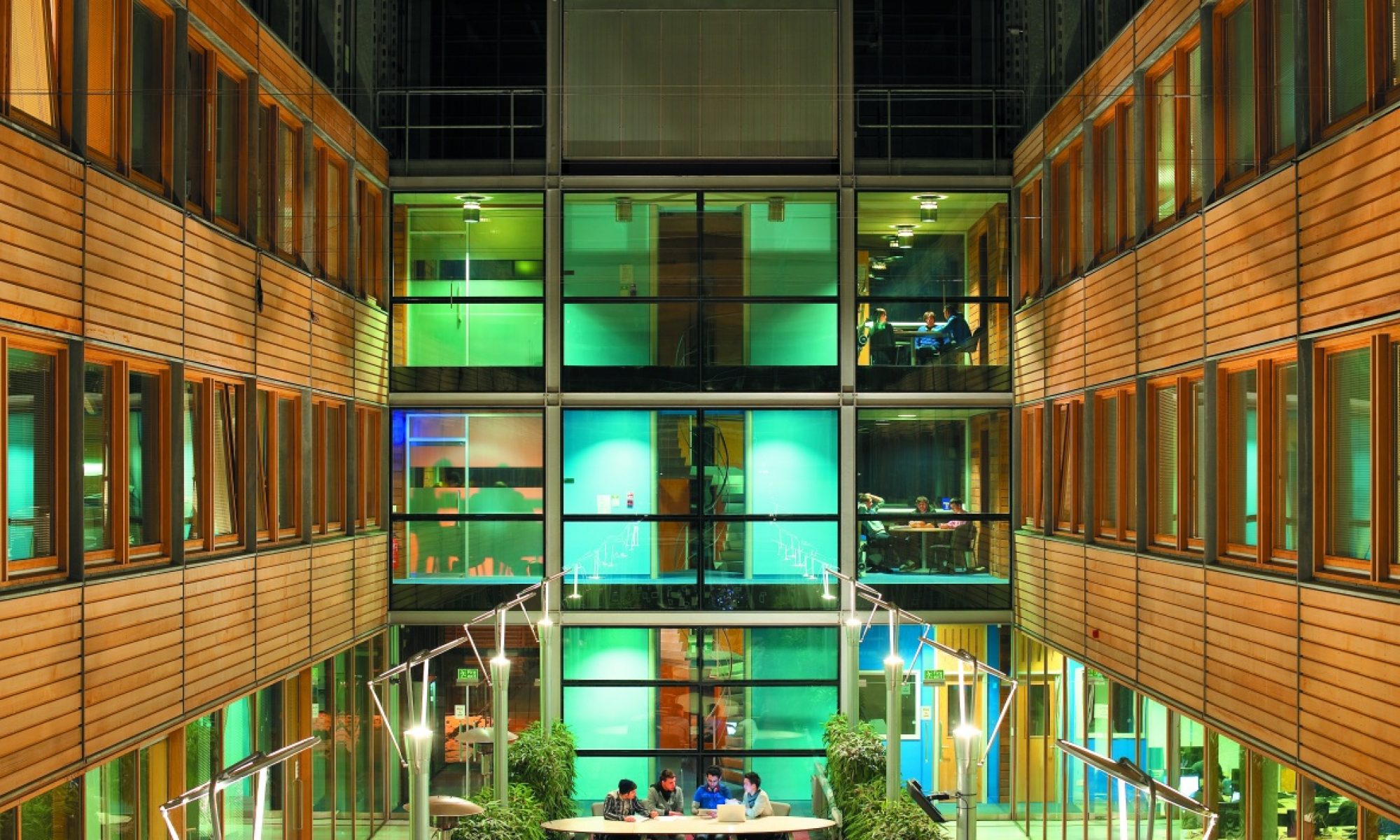
post by Nimisha Parashar (2023 cohort)
Sometimes there are research questions that intrigue you beyond the aim of your PhD research. Horizon CDT gave me the chance to explore one such essential research question, beyond the scope of my current PhD: “Why are the Finns so happy?”
We have all wondered, albeit in the comfort of our armchairs, about the secret to happiness, and more importantly, what makes a whole country climb the ladder of the happiness index? I, too, armed with my International Exchange Grant, was ready for the age-old quest for happiness.
I confirmed the research location to be the Gamification Group, headed by Dr Juho Hamari, based at the Gameful Realities Lab, Tampere University, Finland. Under the guise of furthering my PhD research, which tackles the issue of understanding the behavioural impact of gamified participation in a citizen science project, I was, more importantly, tasked with ensuring I had concrete answers to Finland’s high happiness index.
Gearing up for my hero’s journey, I wondered if the negative-degree weather in March would be the best time for my journey. But before I could ponder too much, I was on the flight to Finland.
First Stop: Oulu
Time: March 2026
I landed in Oulu at 2 am. While the snow did what it does best, fall gracefully, I plodded on it to reach my accommodation, hoping that my hands would not freeze before I could punch in the passcode.
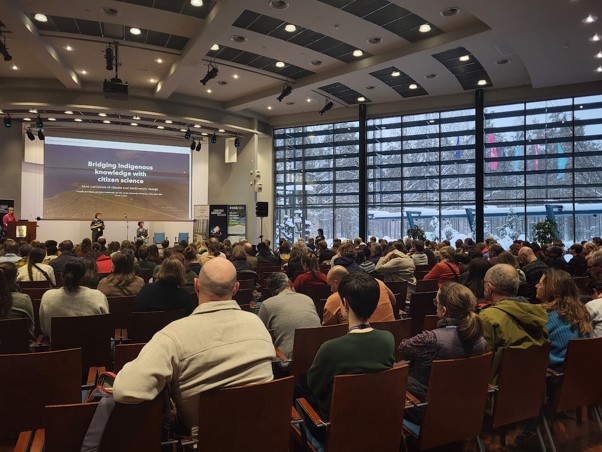
The conference I was here for, the European Citizen Science Association (ECSA) 2026, awaited me the next day. Intending to network with experts in my field and present my preliminary results from a scoping review on Understanding Gamification Outputs in Citizen Science on one hand, I was also looking for opportunities to direct my small talk to ask more meaningful questions, like “So why are you Happy”?
I learnt that the best method to research Finnish happiness is observation. Soon, some answers emerged at the end of the conference, when I witnessed a musical performance by the Screaming Men’s Choir. If the name doesn’t tell you enough, I suggest giving them a listen. Screaming, after all, is quite cathartic.
Next Stop: Lapland
Time: April 2026
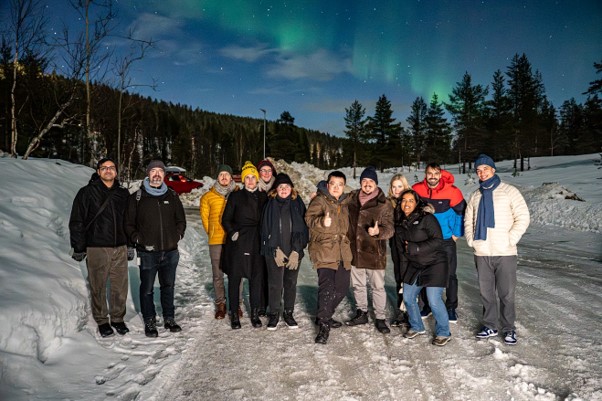
My participation in the previous conference had yielded some results. However, the happiness mission was nowhere near completion. My journey presented another opportunity to observe, this time in the form of top gamification academics at the GamiFin 2026 conference in Saariselka, Lapland. Right at the Arctic Circle, close to Santa’s village, I felt I could get the true essence of the Finnish spirit.
While I interacted with my fellow peers, researching gamification from different disciplinary perspectives, akin to my own interdisciplinary research, I found a community of individuals working and struggling with similar research gaps. I could not miss out on this opportunity to camouflage behind and unearth the true cause of their happiness.
This time, the answers presented themselves in the form of dancing Northern lights in the night sky. Shimmering to lay out the path for mystical beings to pass through the night.
Final Stop: Tampere
Time: May-June 2026
By this time, I was about 2 months into the exchange. I was becoming familiar with the lab, the research culture and the different ongoing projects. I was also, of course, trying to figure out the best way to spend weekends in the city.
After a long work week, the Friday evenings were not pub evenings. Instead, they were sauna evenings with friends and colleagues. In the spirit of honesty, I have to admit I had my doubts. Would getting steamed at the start of the weekend beat a cold pint at the pub? The only way to find out was through experience.
Before I knew it, I ended up warming up to it. Dare I say, I started to look forward to it. While I was trying to set up a collaborative study at the lab, the idea of dipping in a 2° C lake became fun.
The collaborative study was the perfect cover. I embedded myself in the GamiLiDar research project, which used mobile phone LiDAR sensors to enable users to collect forest data. To encourage data collection, the use of gamified or gameful approaches was being investigated. By setting up a study to examine the impact of this app on users, I was learning more about the differences in research culture and how the ethics of research are viewed in different countries.
The ethics committee is more centralised in Finland, while in the UK, each department has its own. In Finland, this could mean more standardised ethical practices but longer application procedures, and vice versa in the UK.
Before I knew it, the three months were over, and it was time to say goodbye. By this time, Finland had lost its snow-coated cover and was dressed in green with yellow dandelions on top. The lab that had become my home was now going to be a nostalgic memory.
The final answer to the question of happiness came to me most unexpectedly. Sitting on my plane back to Manchester, I was flipping through the only source of entertainment available to me as I waited for the flight to take off – the Finnair magazine advertising the food on board. And I had the answer summarised in a picture:
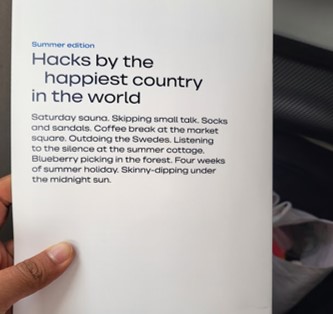
A cynical mind would question the need to spend 3 months in Finland to research the age-old question of happiness. Apparently, these answers would be revealed to anyone taking a Finnair flight back to Manchester. For those minds, I have some data from the field study that supports the gamified and playful approach for citizen science.
For others, I come back with experience being my master and a lot of gratefulness to the Gamification Group that facilitated this learning. Now, I just look for the nearest sauna to spend weekends at.